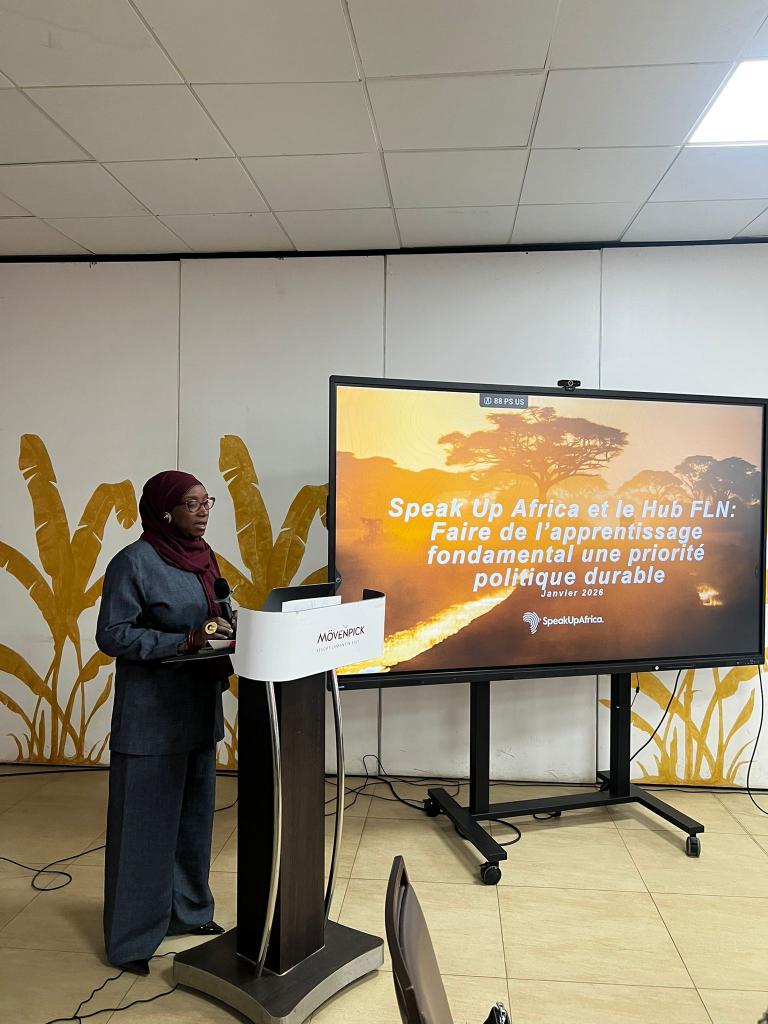
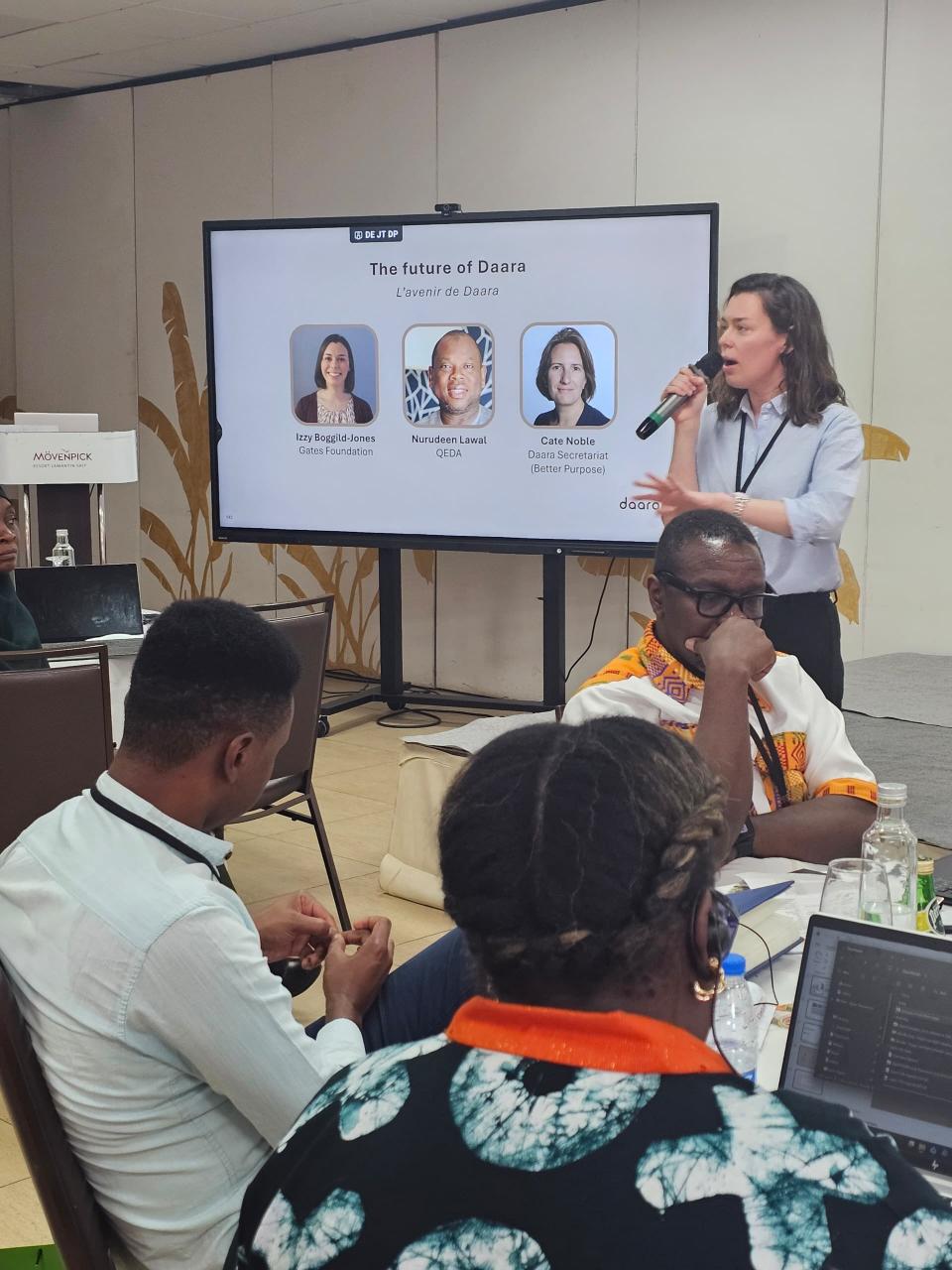
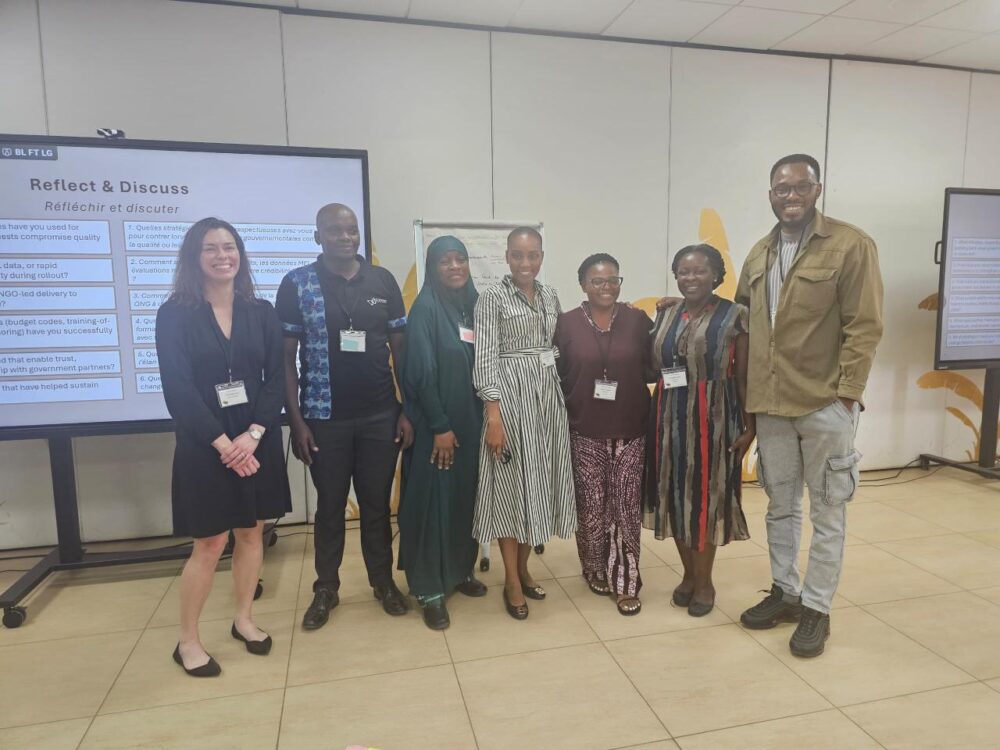
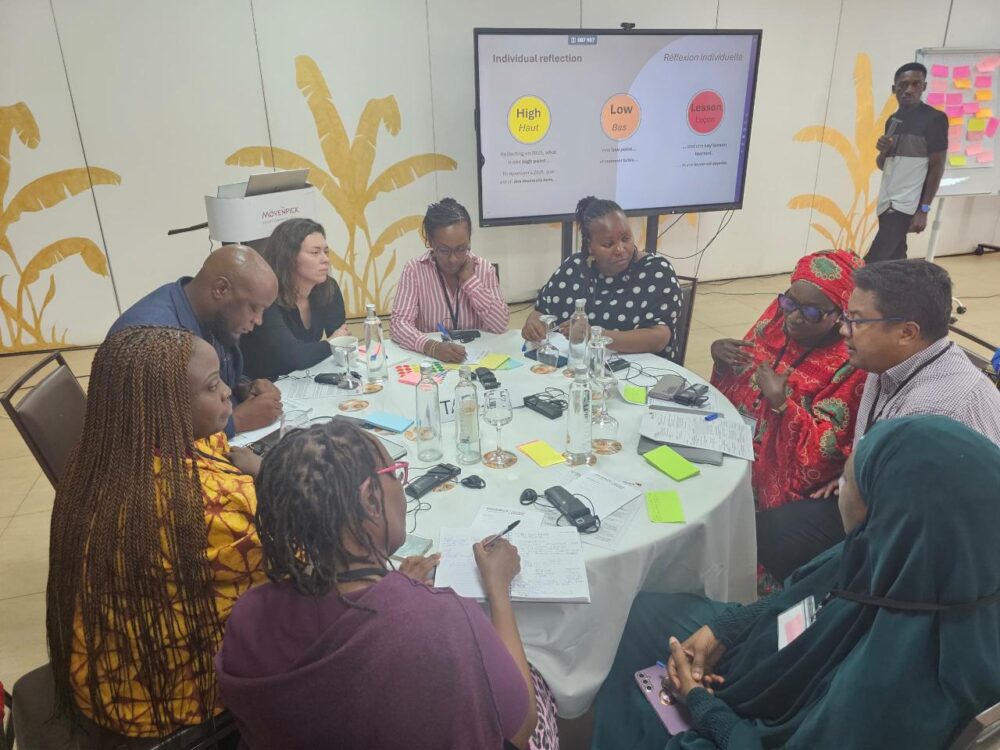
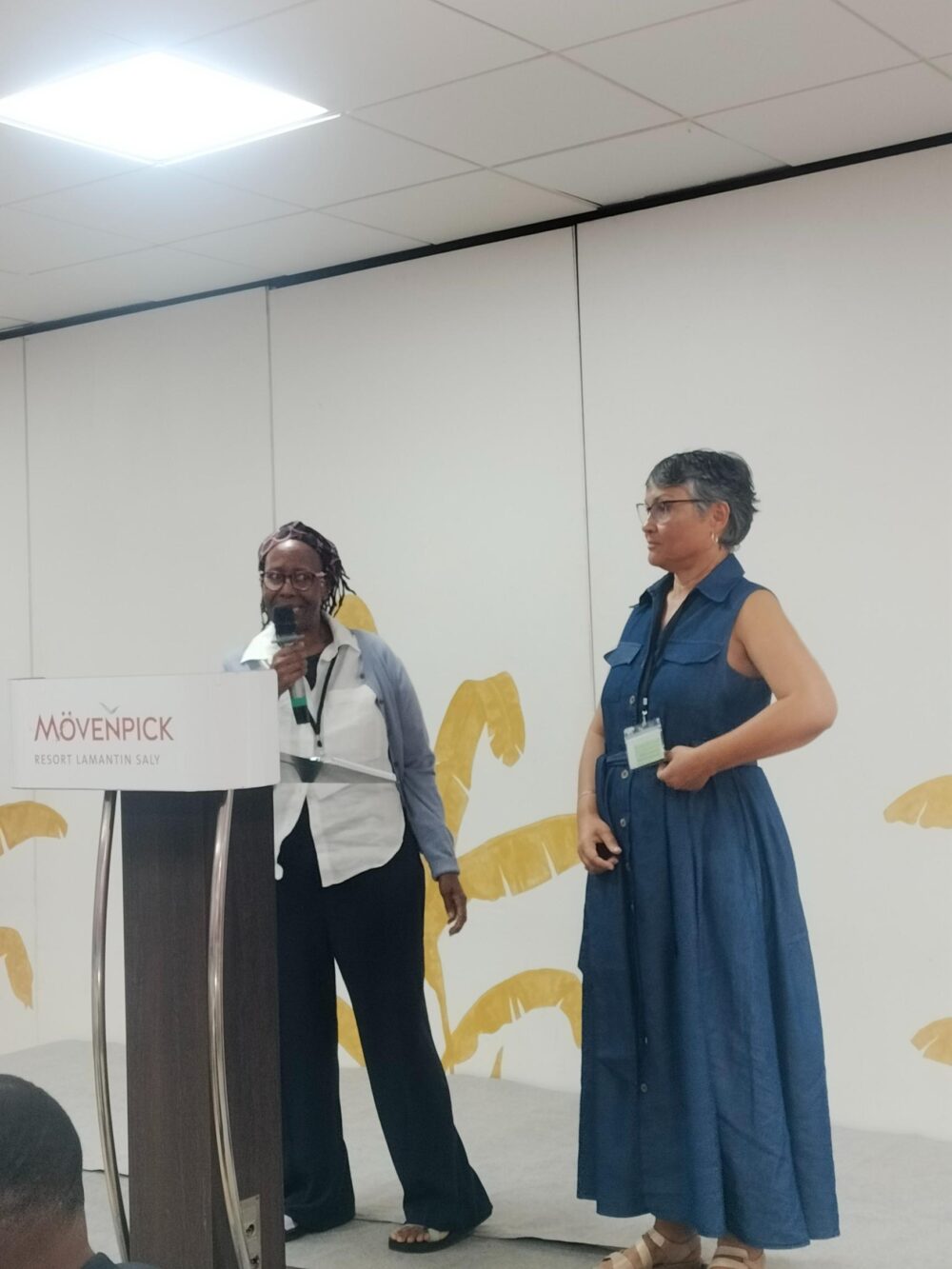
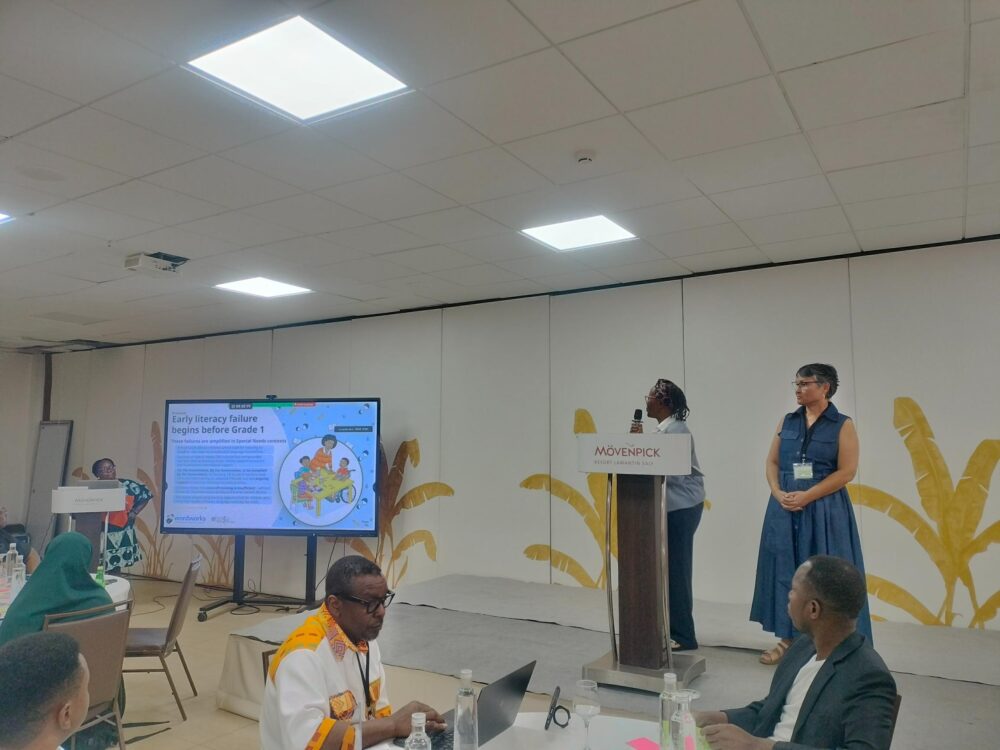
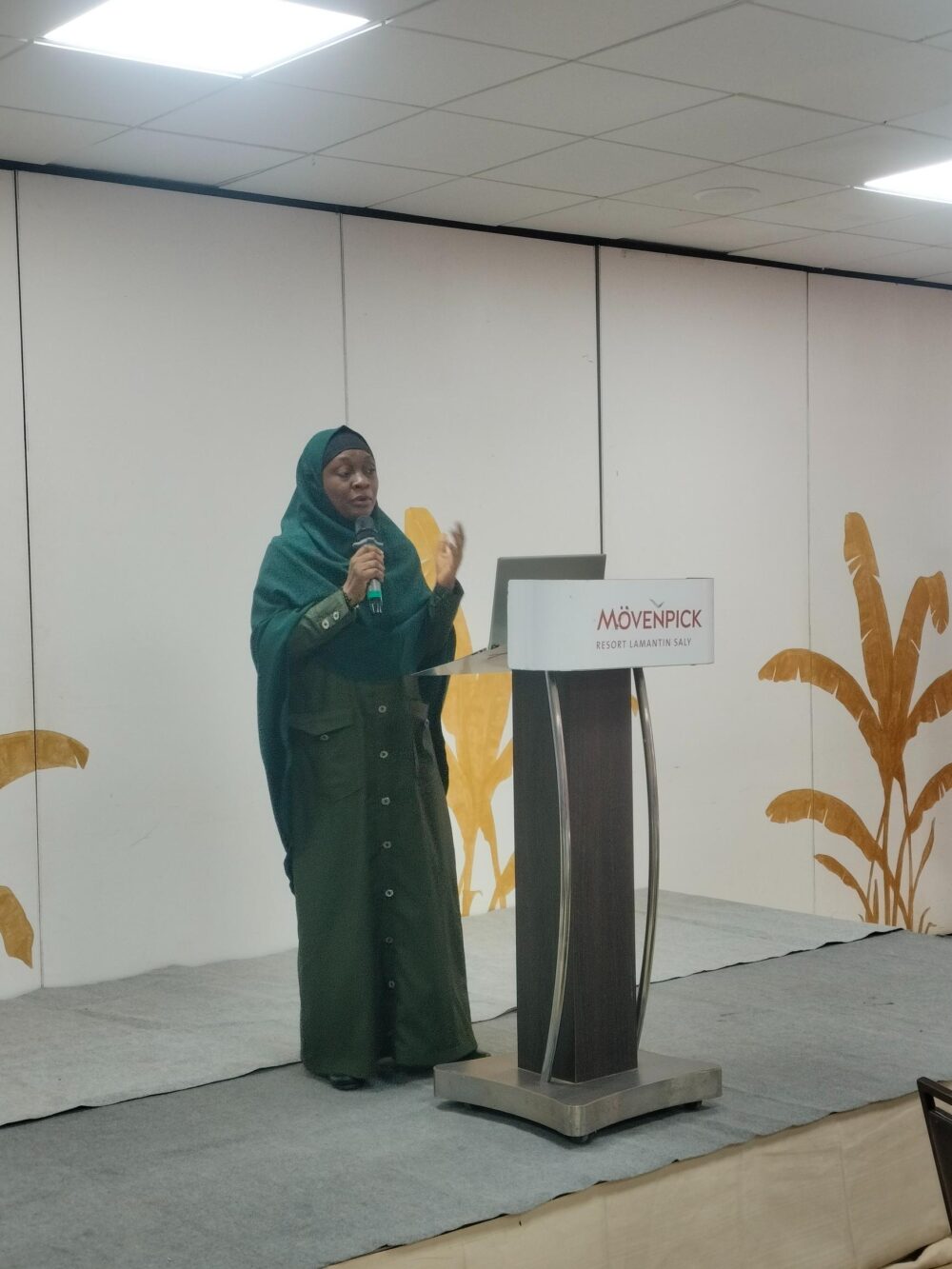
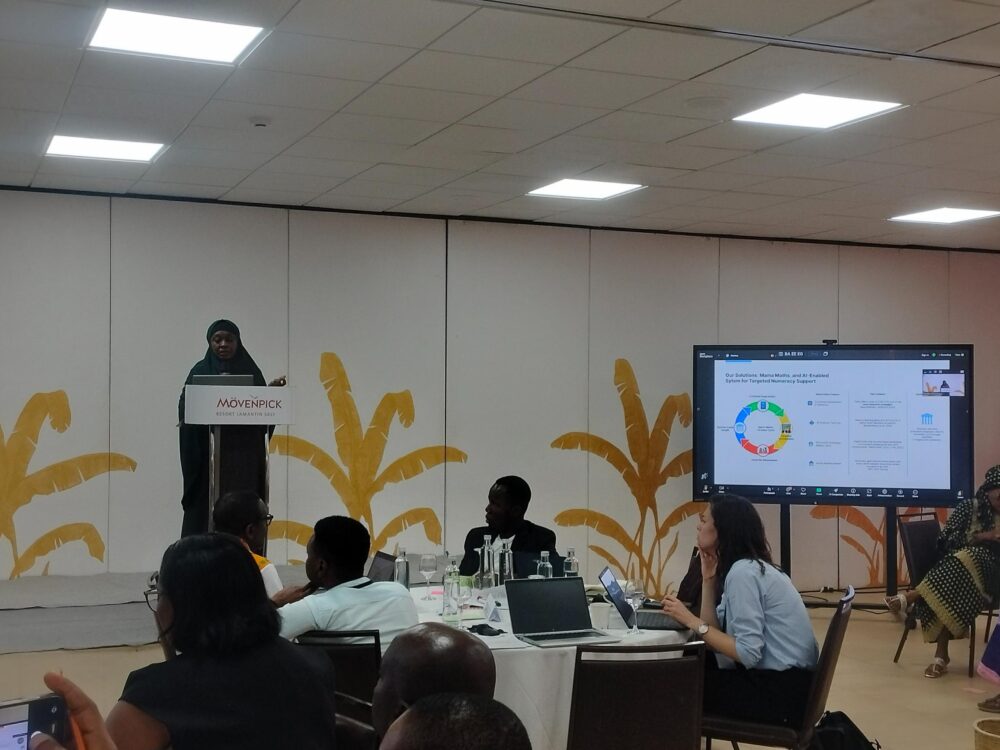
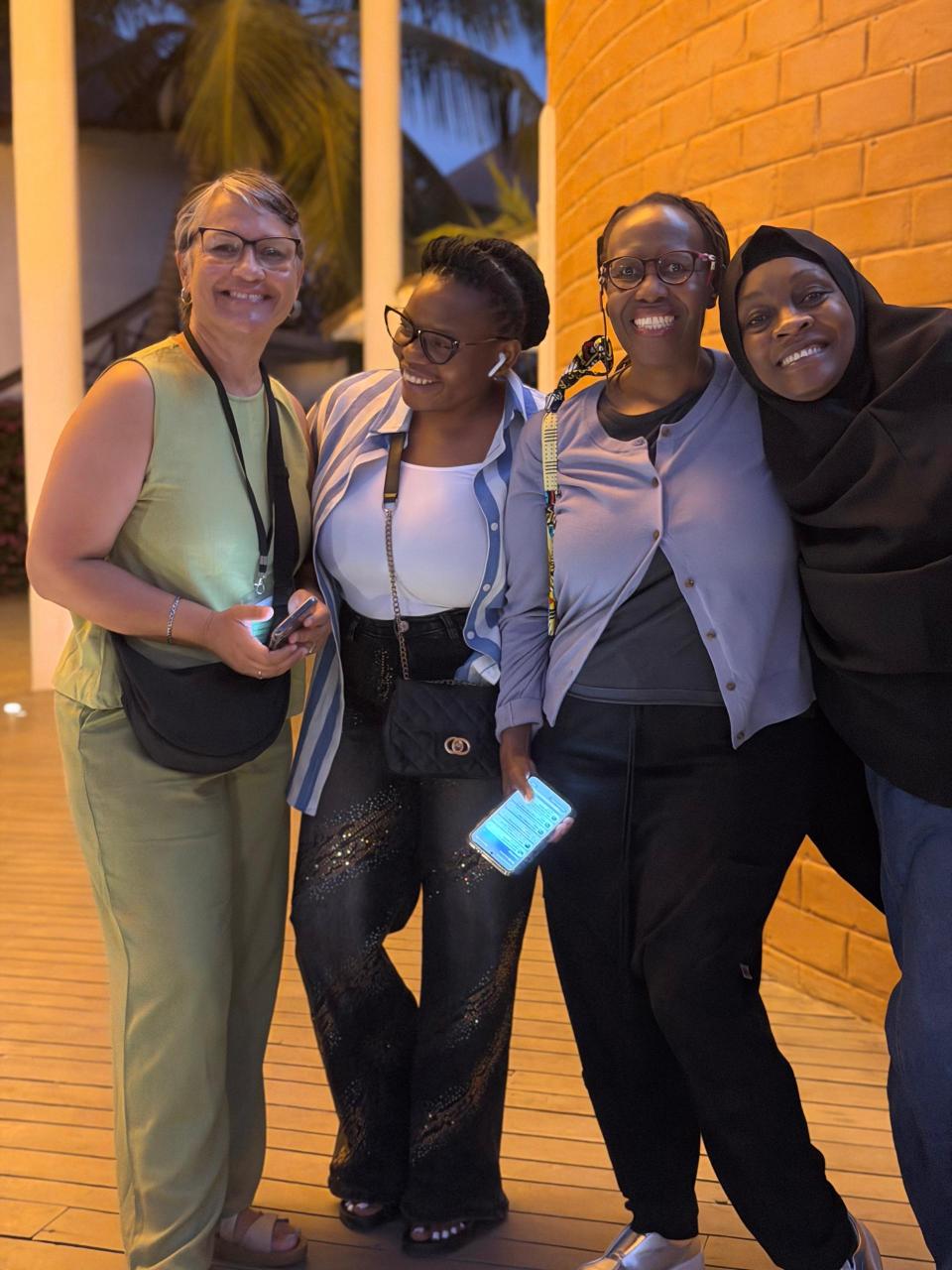
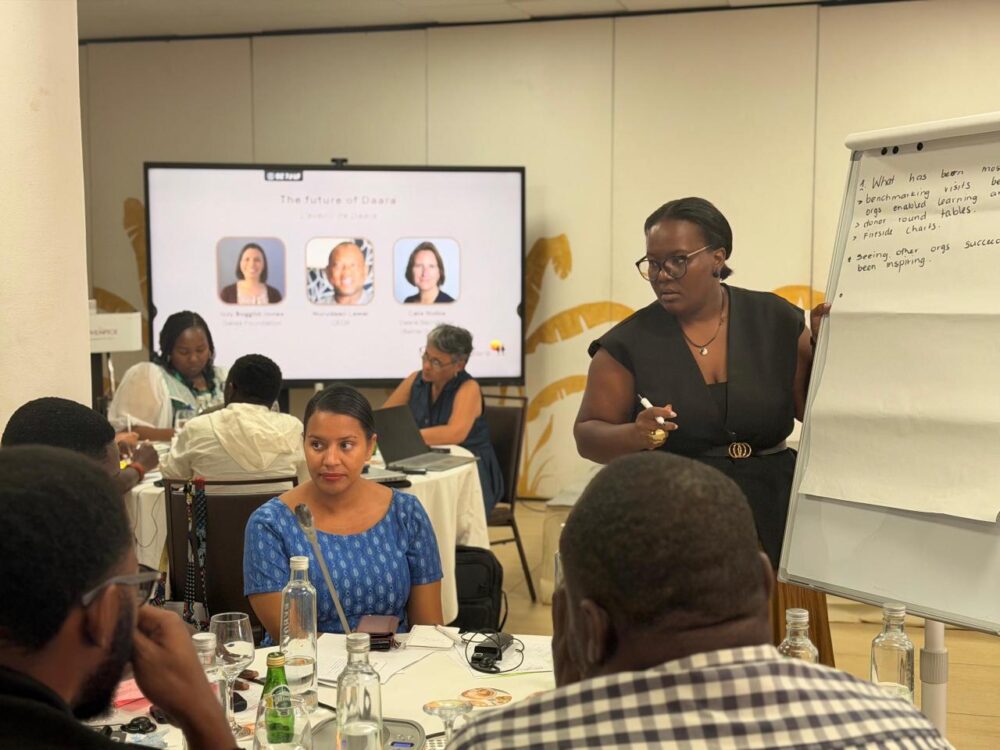
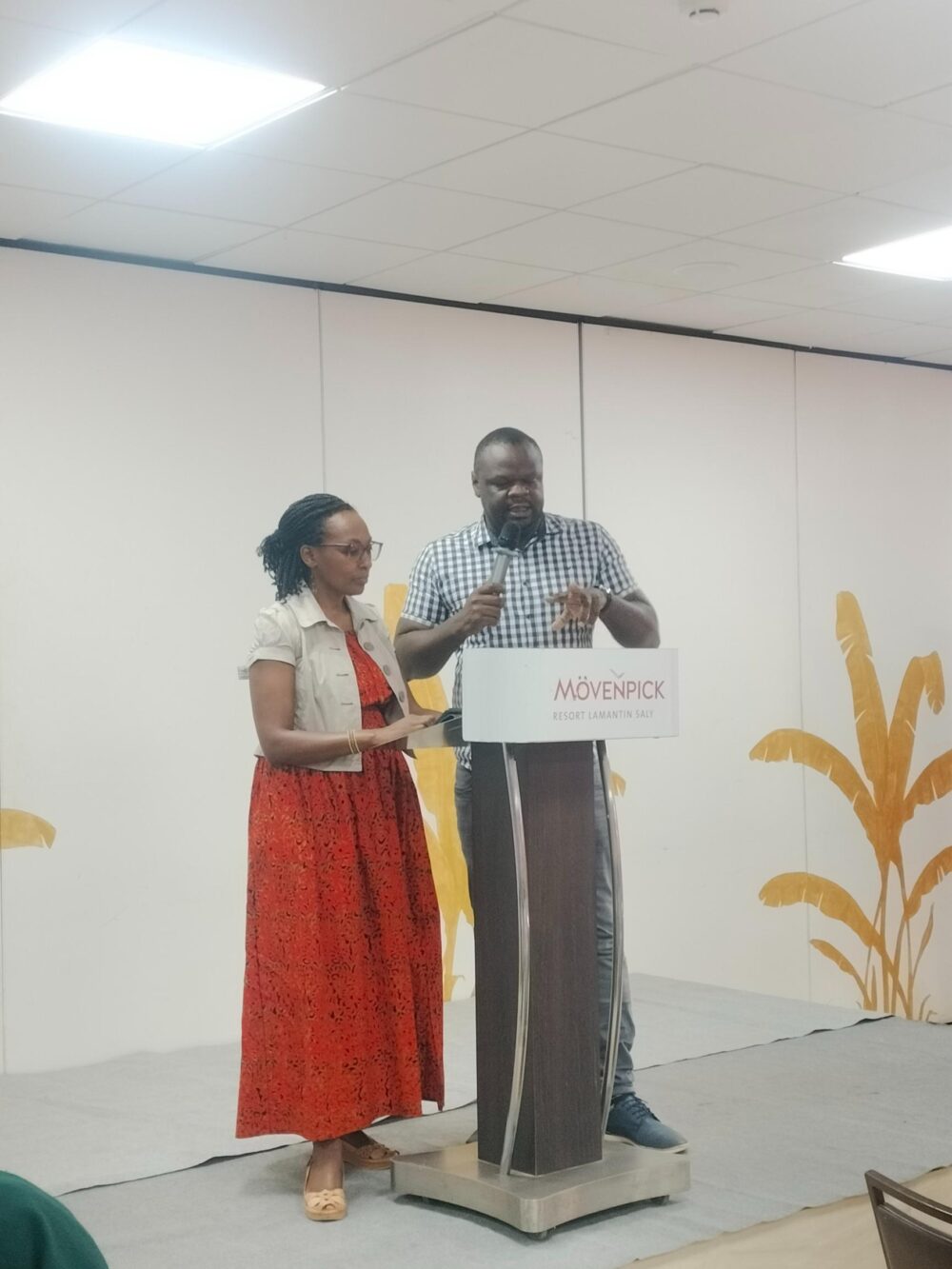
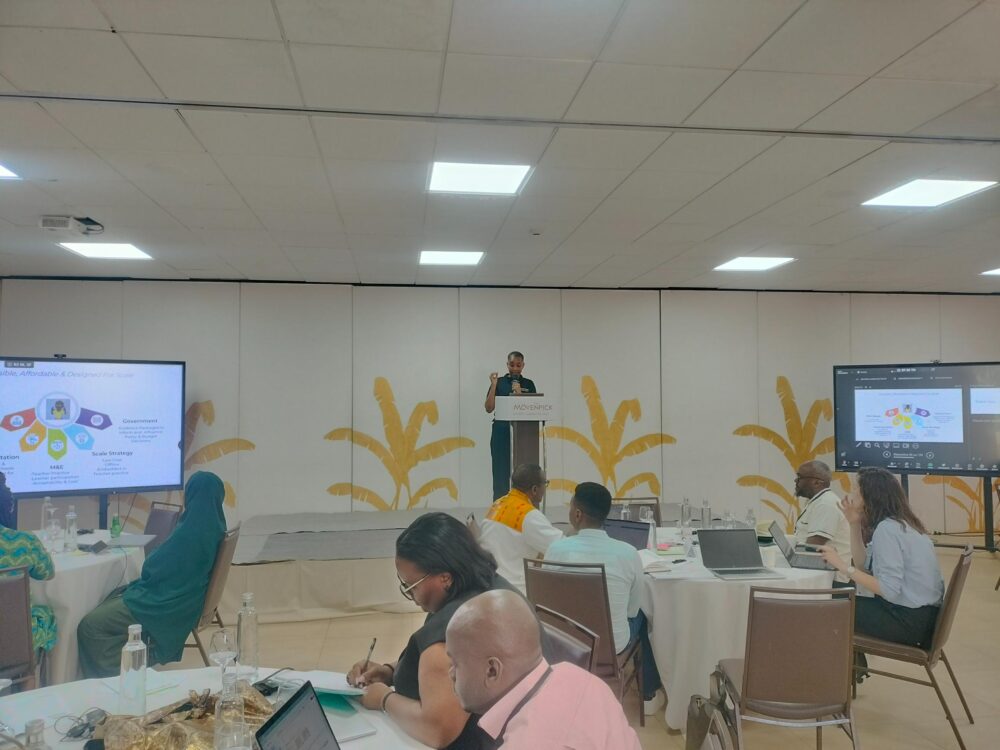
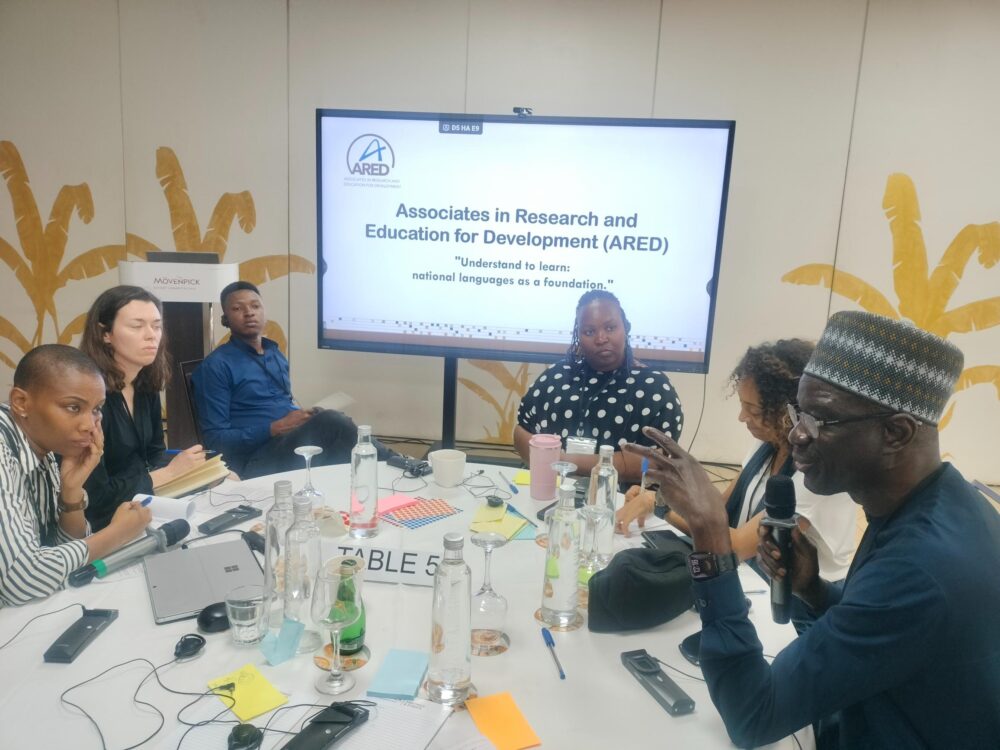
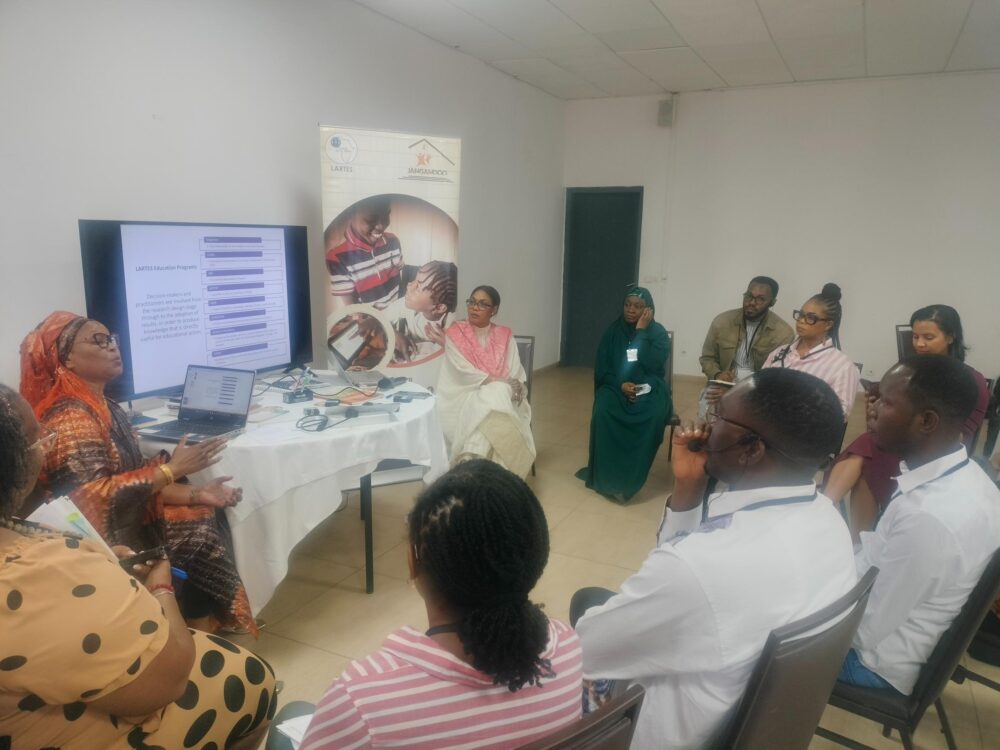
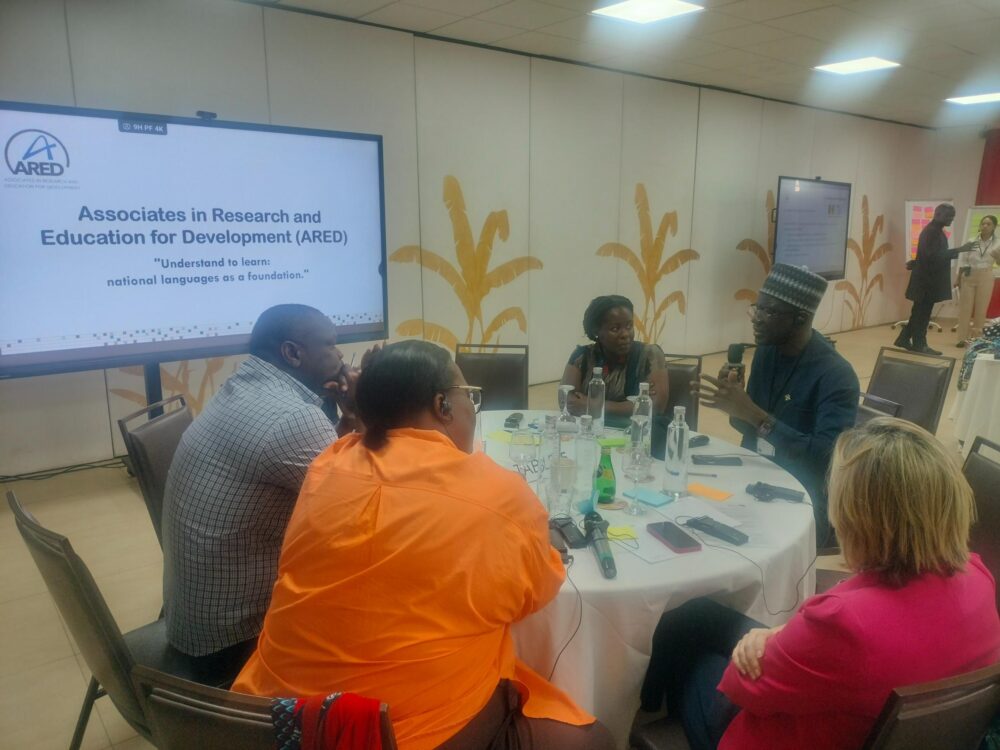
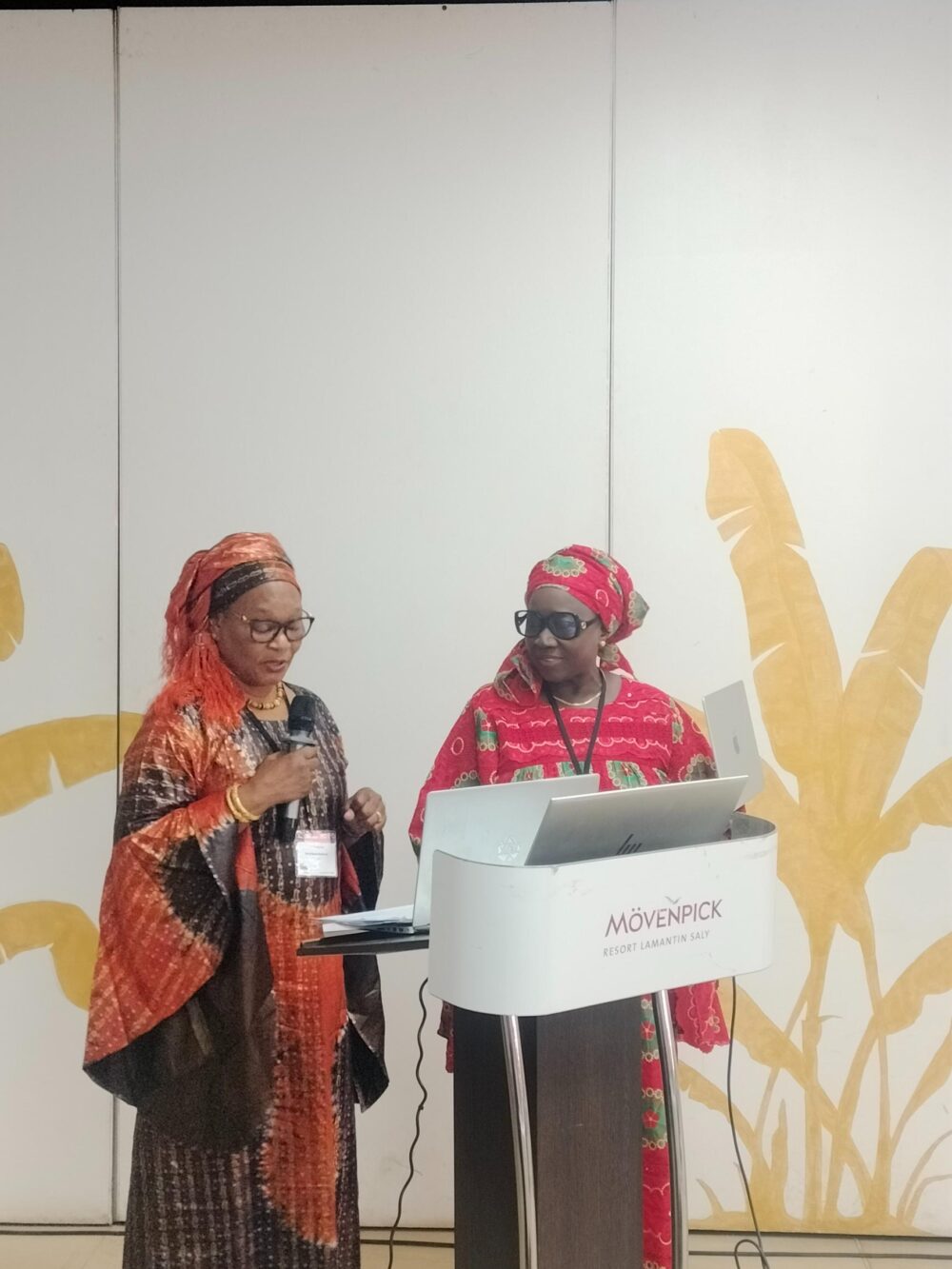
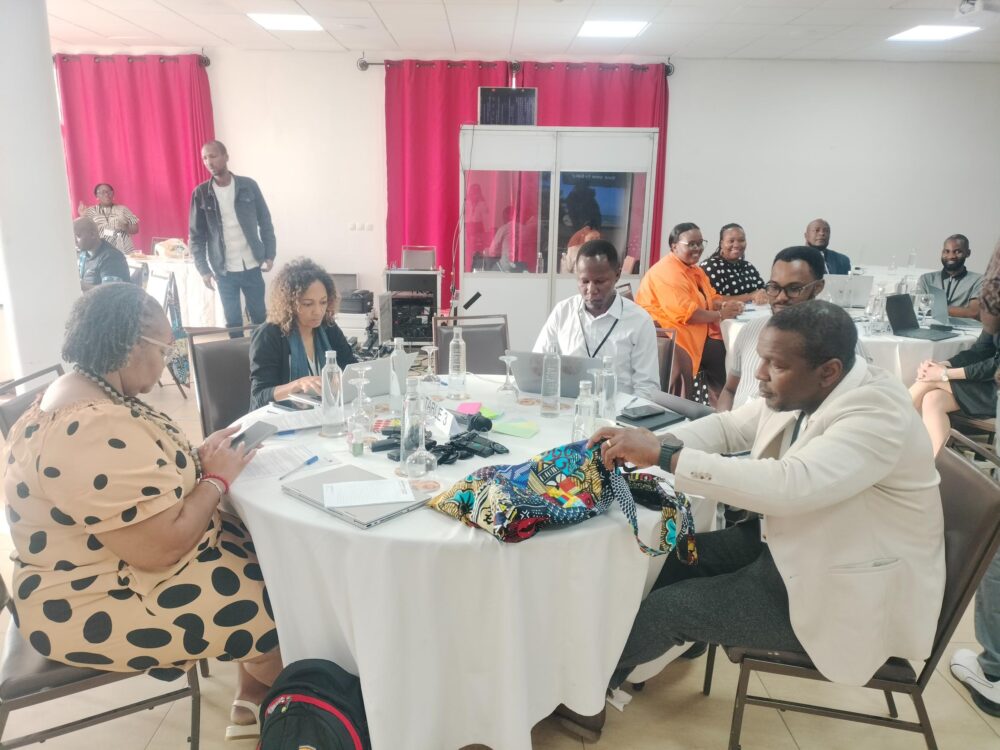
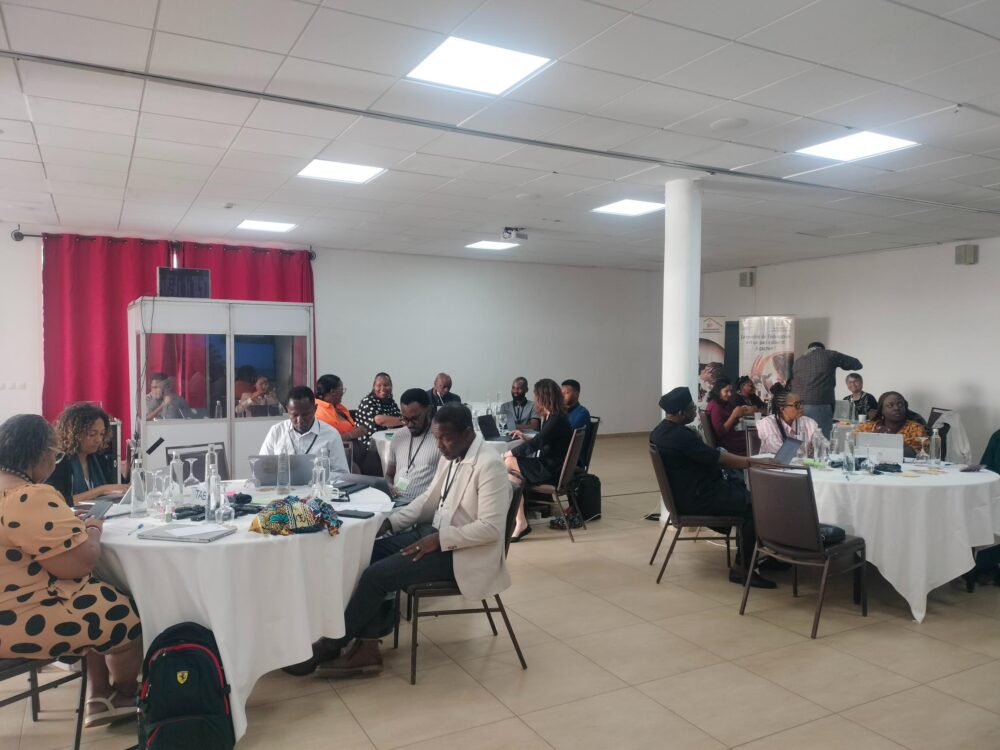
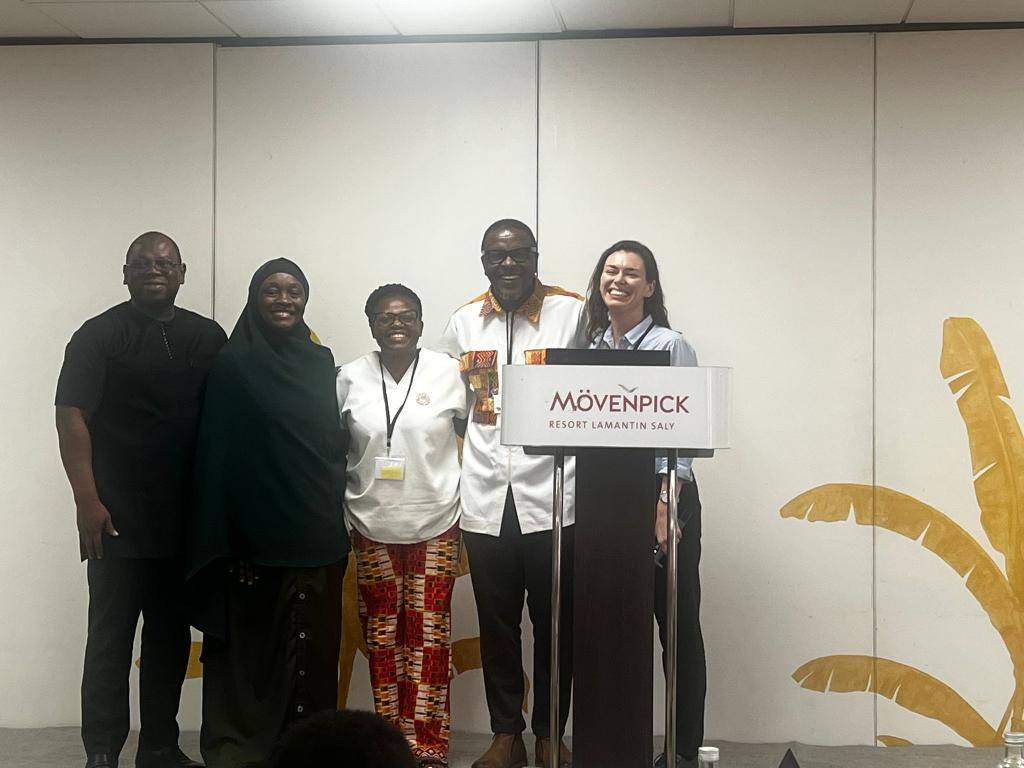
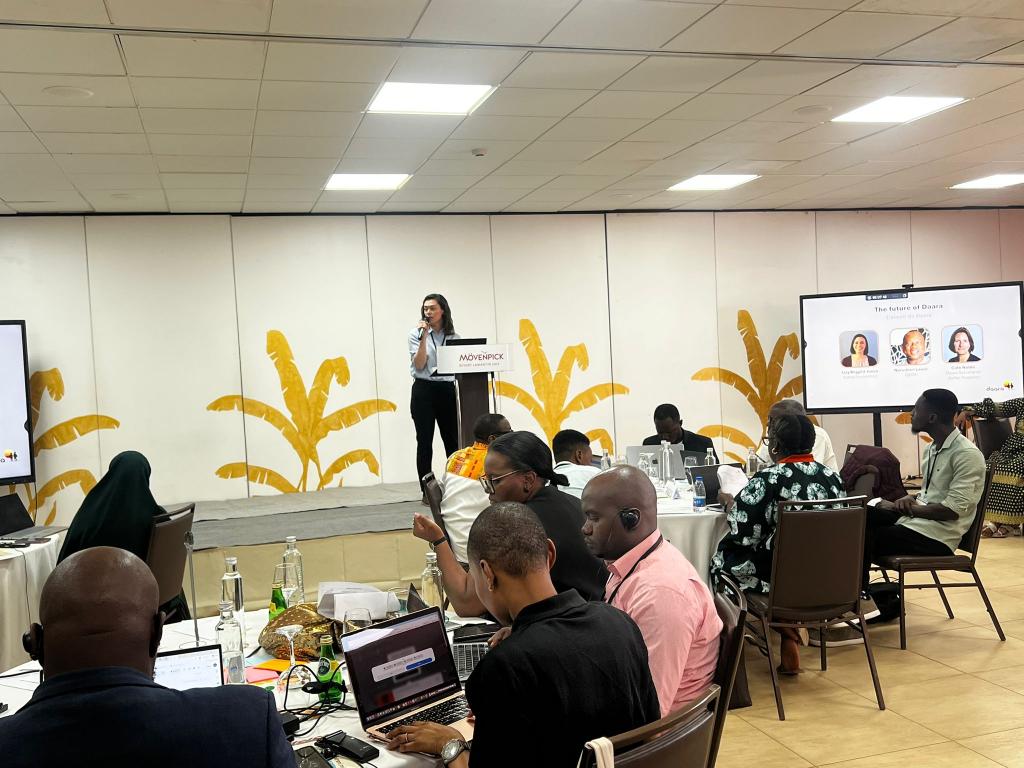
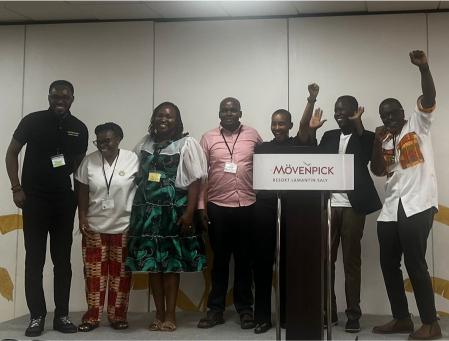
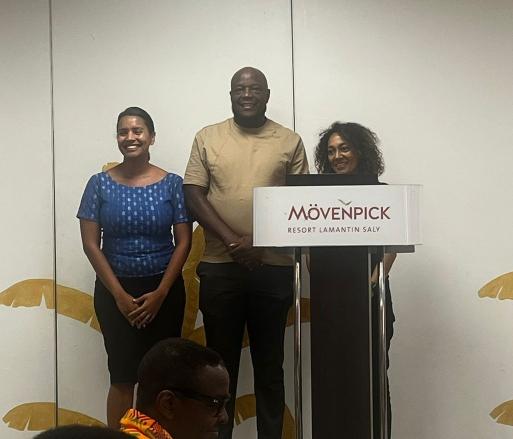
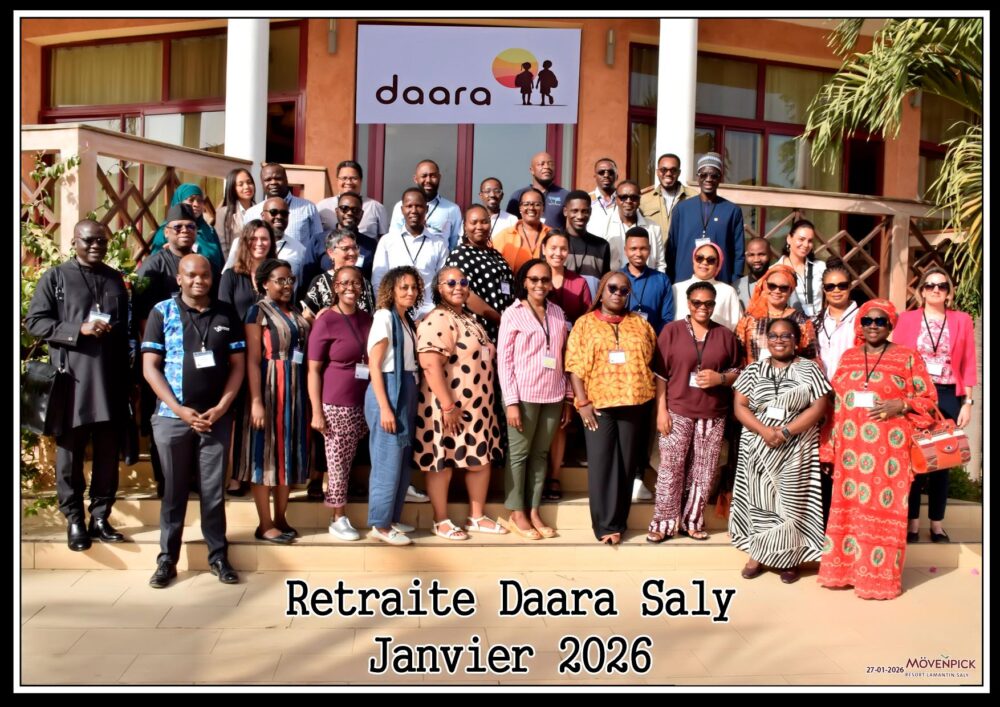
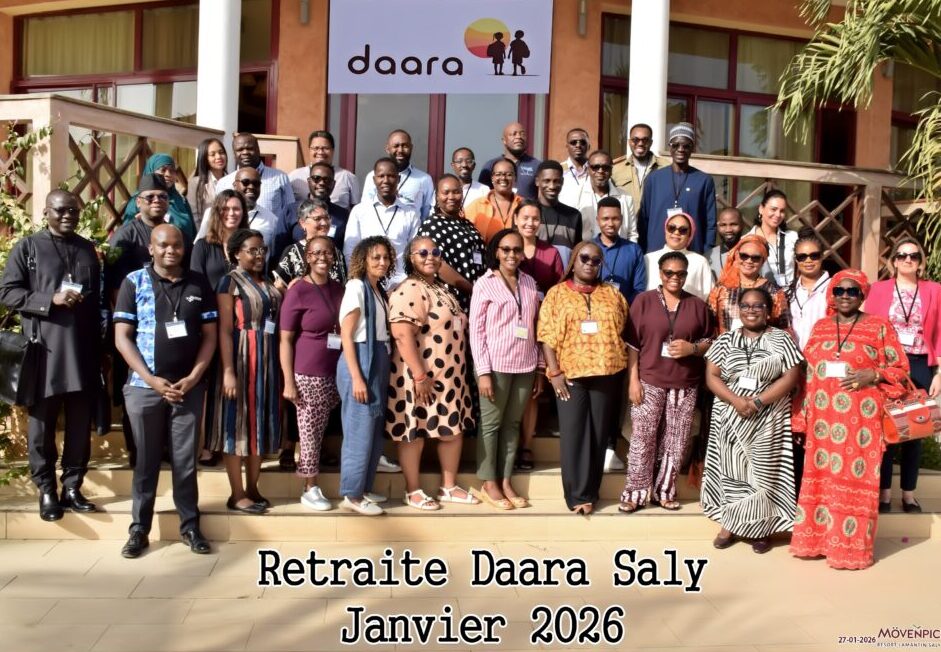
We recently concluded the Daara Year 2 Learning Retreat in Saly, Senegal, bringing together 33 partners from 16 organisations working to strengthen foundational literacy and numeracy across Sub-Saharan Africa. The retreat centred on a shared priority: how to support government-led education reform through cost-effective, scalable innovation.
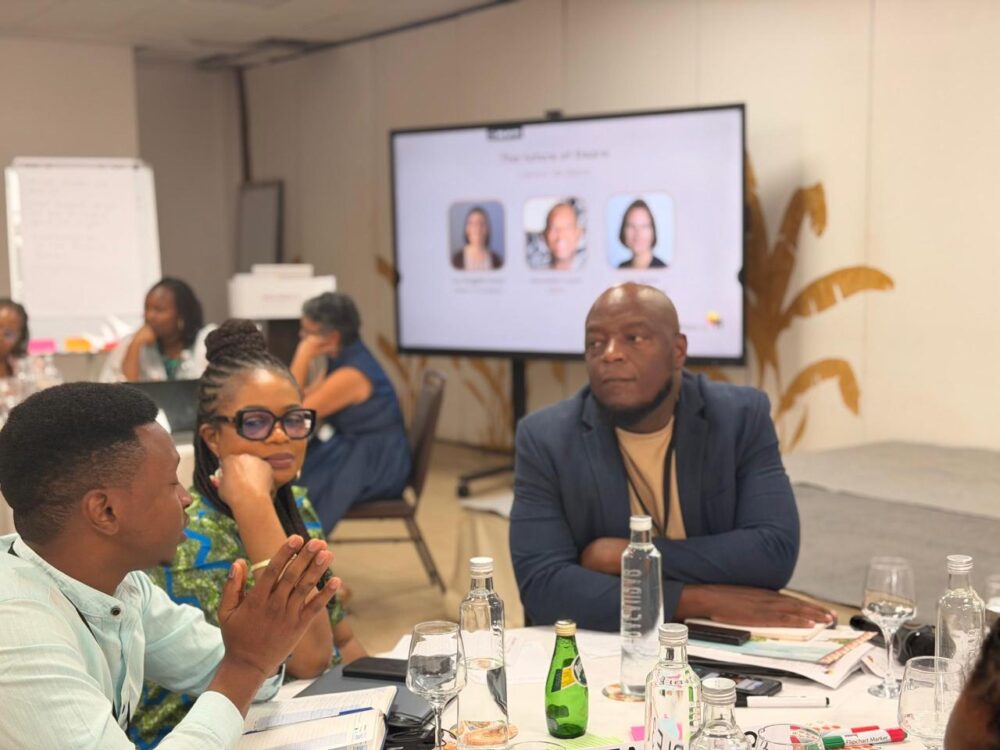
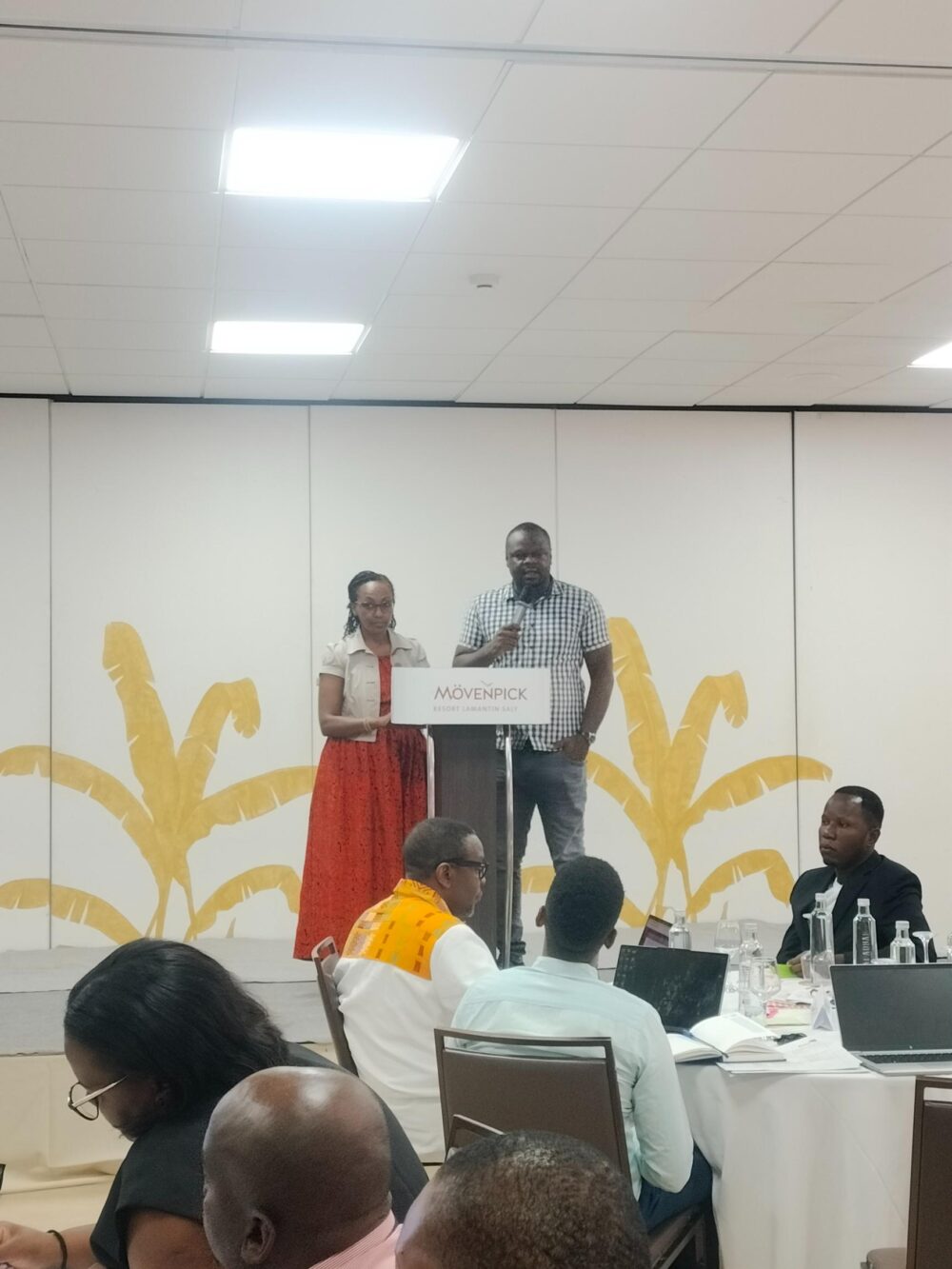
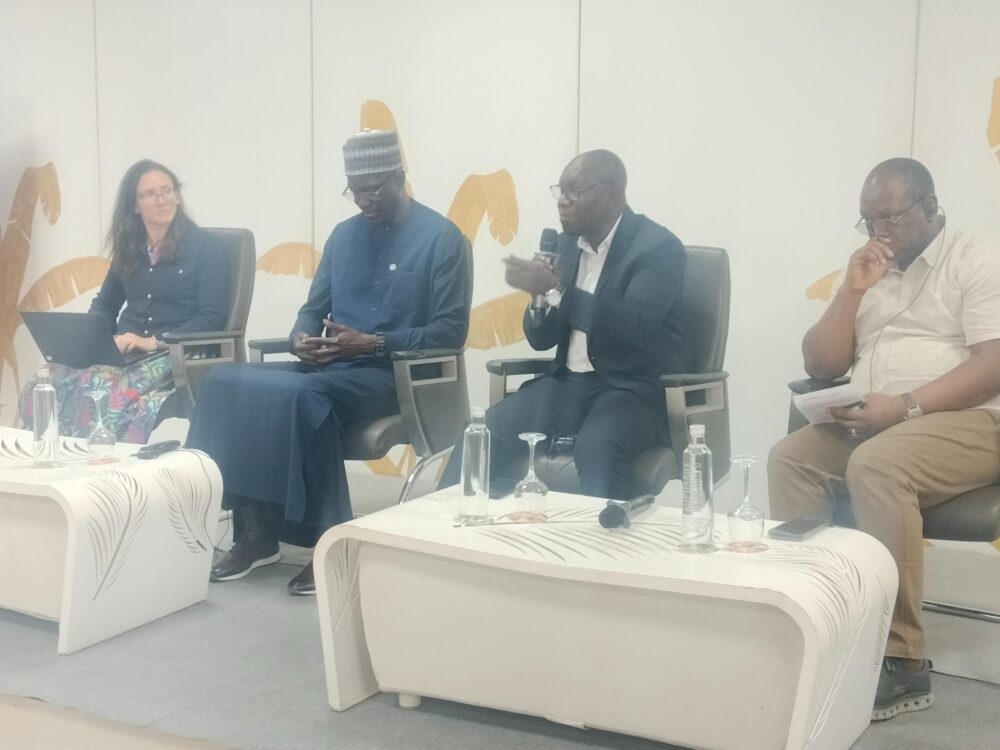
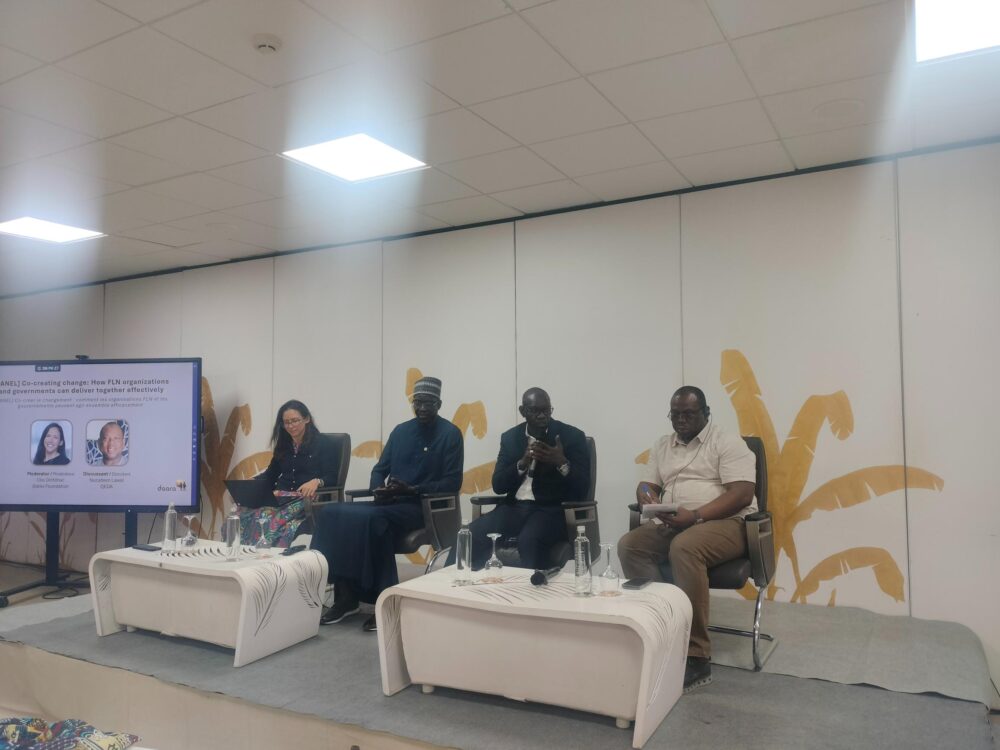
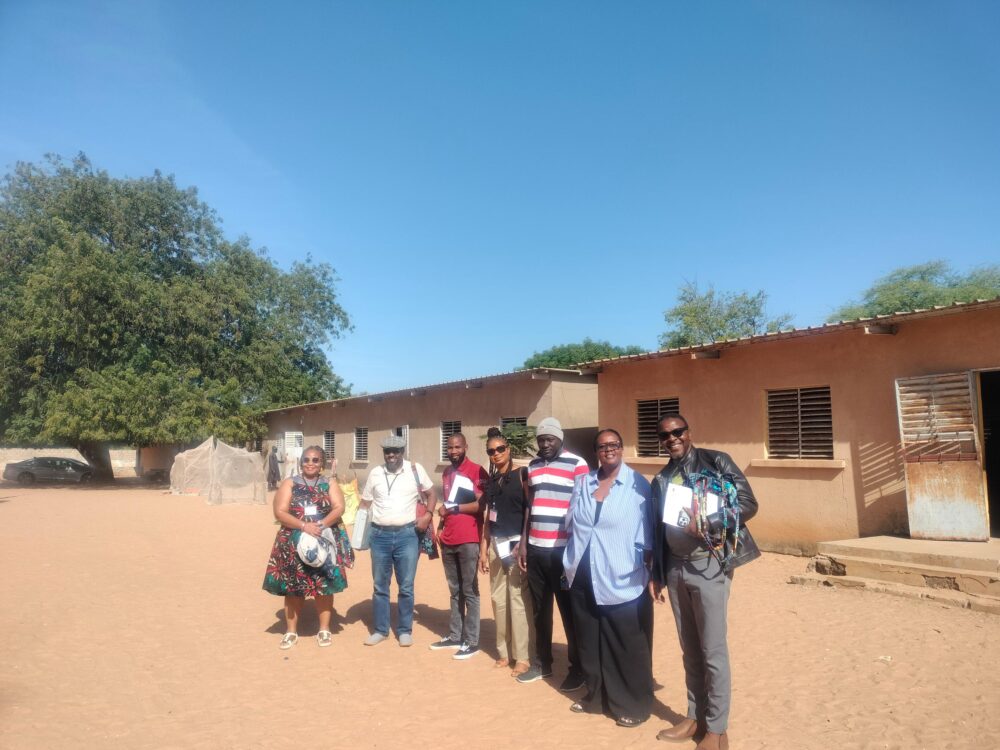
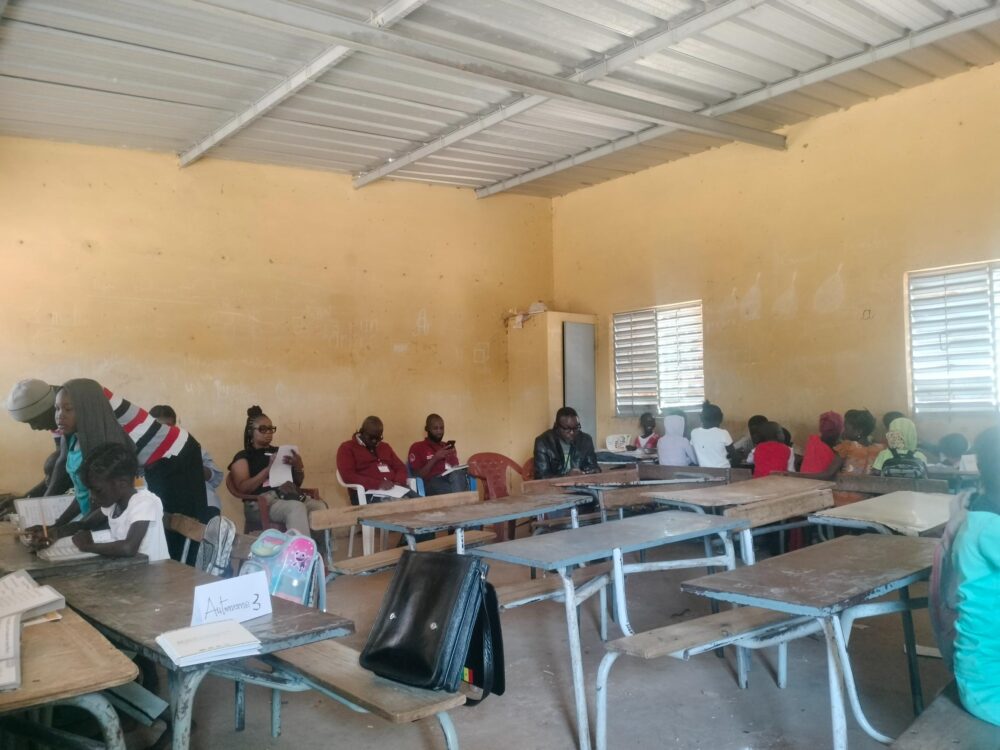
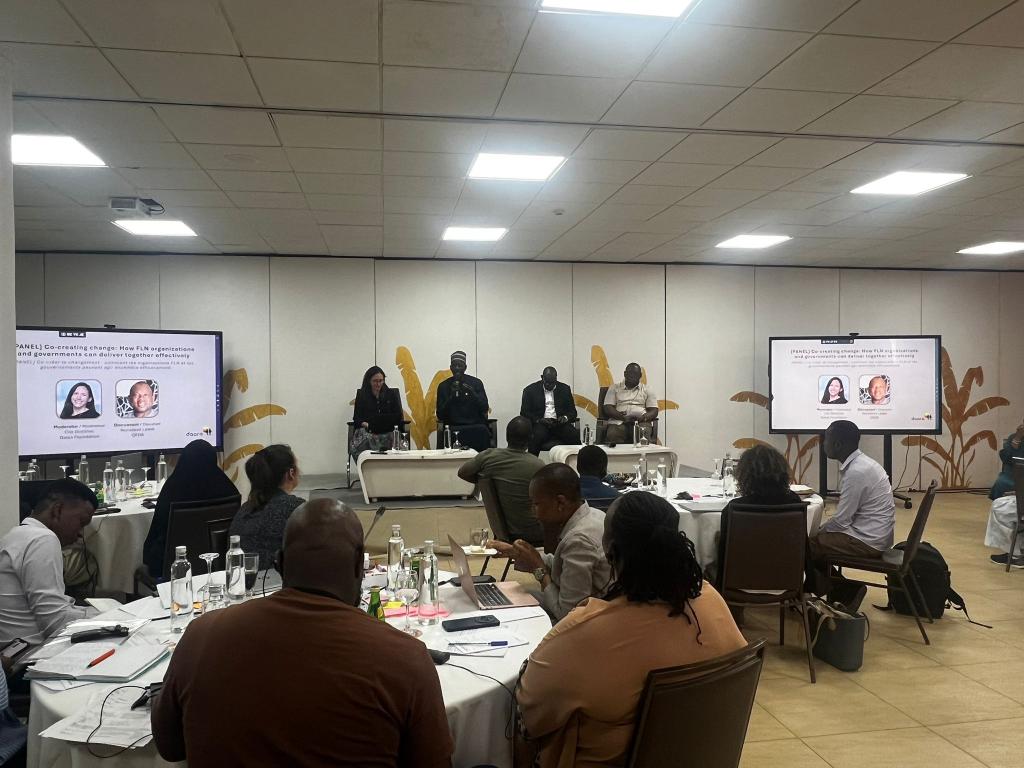
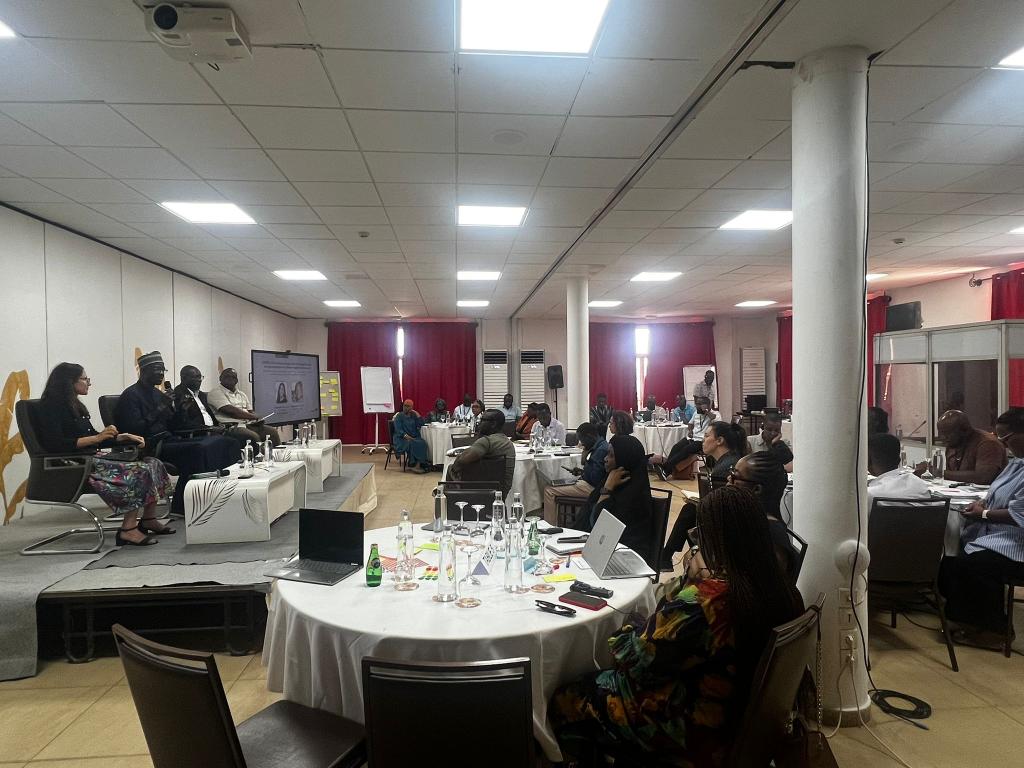
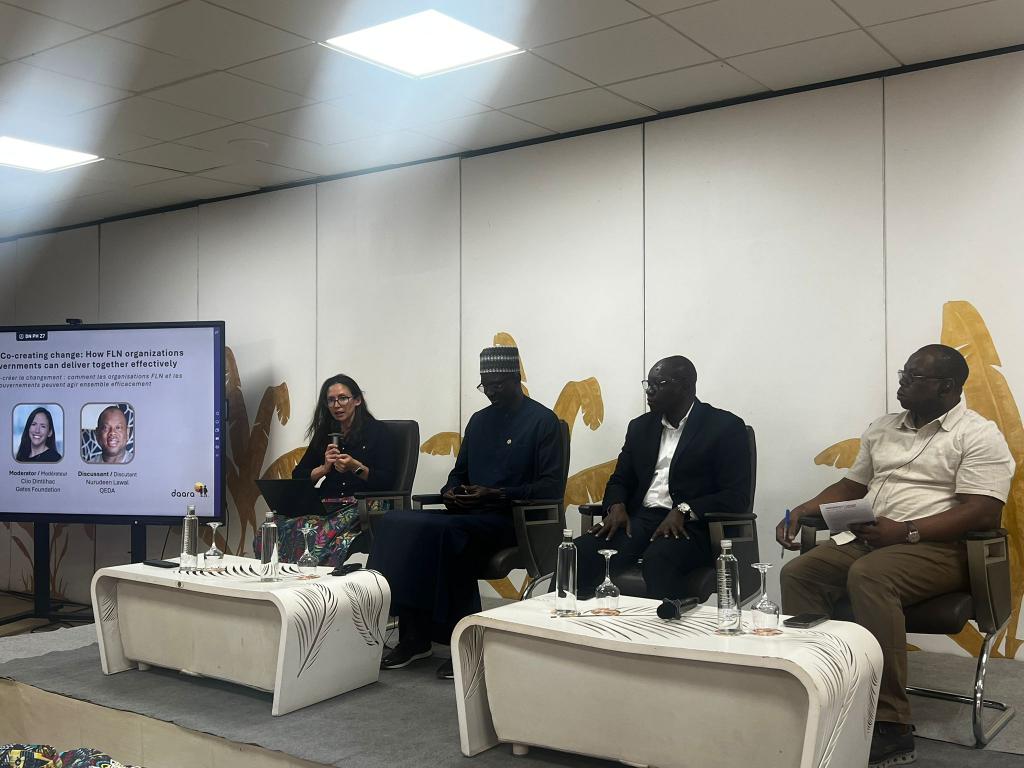
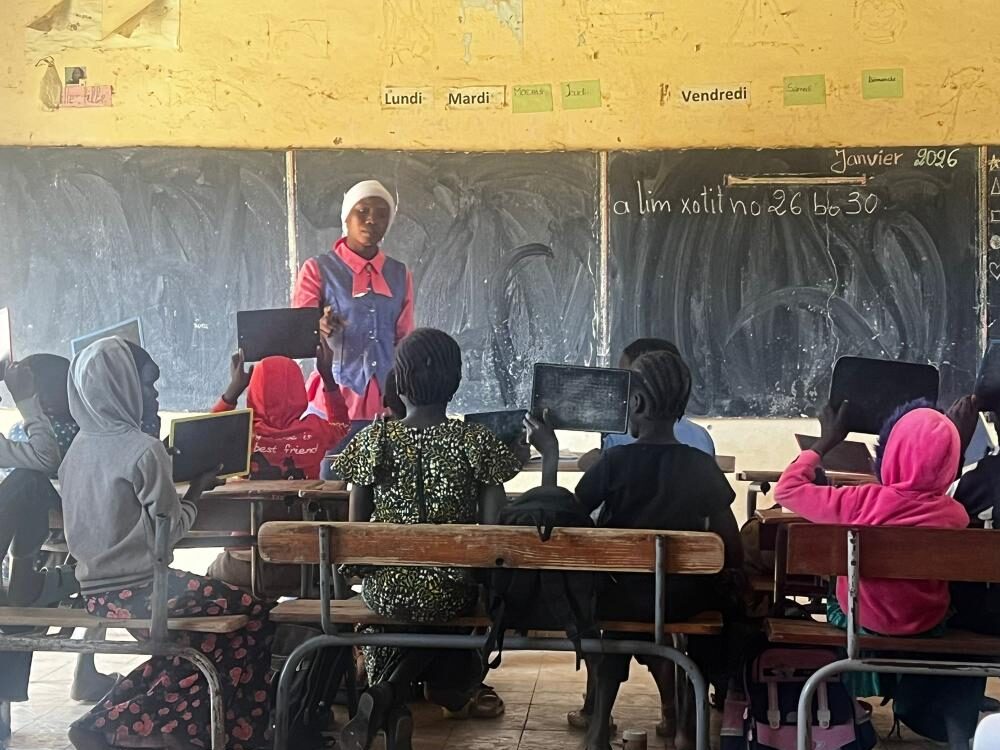
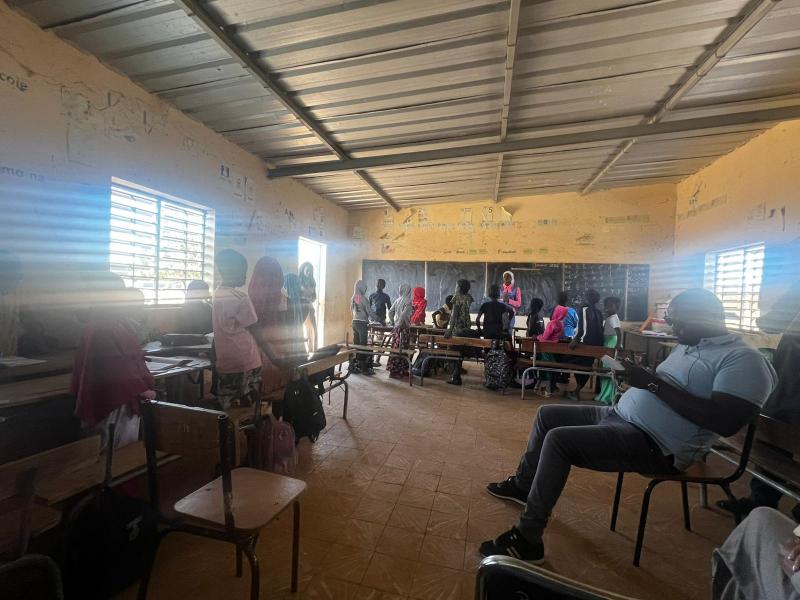
Through a panel discussion featuring Mr. Samba Gaye from the Senegalese Ministry of National Education, group working sessions, and classroom observations in schools across Fatick and Bambey, partners explored what it truly takes to collaborate effectively with governments to implement innovation at a national scale. Discussions underscored the importance of aligning with government-led reforms and co-designing solutions that can be endorsed, owned, and sustained by public institutions while remaining realistic in terms of cost, capacity, and long-term implementation. Participants shared candid reflections on both successes and challenges in NGO–government collaboration. Key enablers emerged consistently: clear governance structures, well-defined roles, strategic entry points, trust-based relationships, accountability, and strong leadership.
One message stood out clearly: scaling innovative foundational learning programmes requires collaboration that is intentional, inclusive, and grounded in the realities of public education systems. No single actor can achieve this alone.
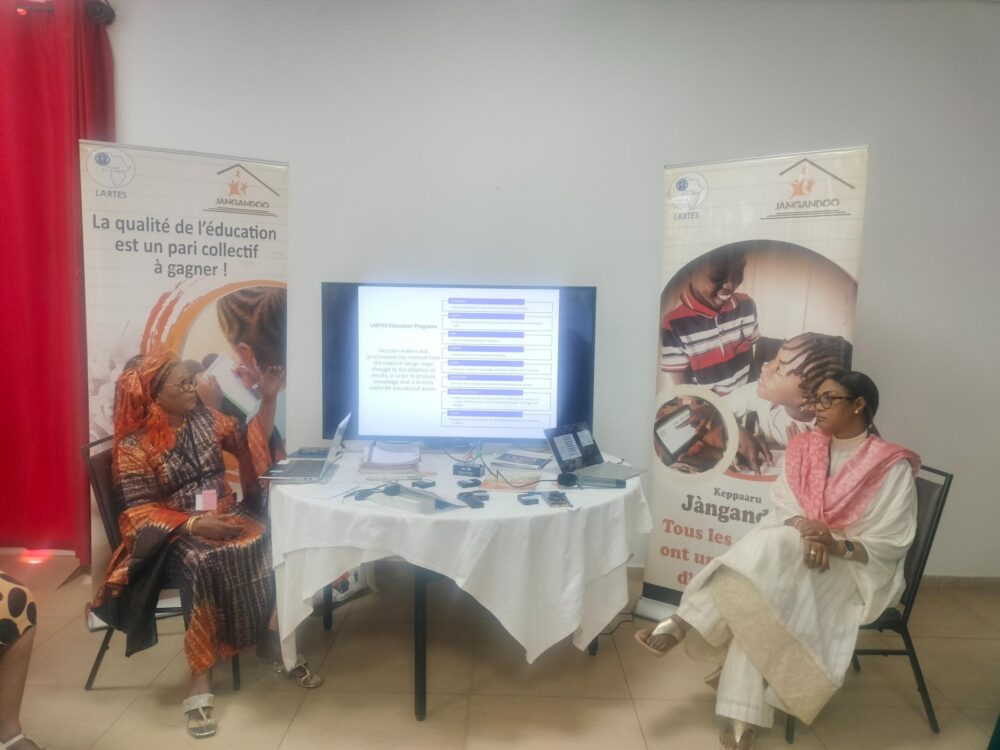
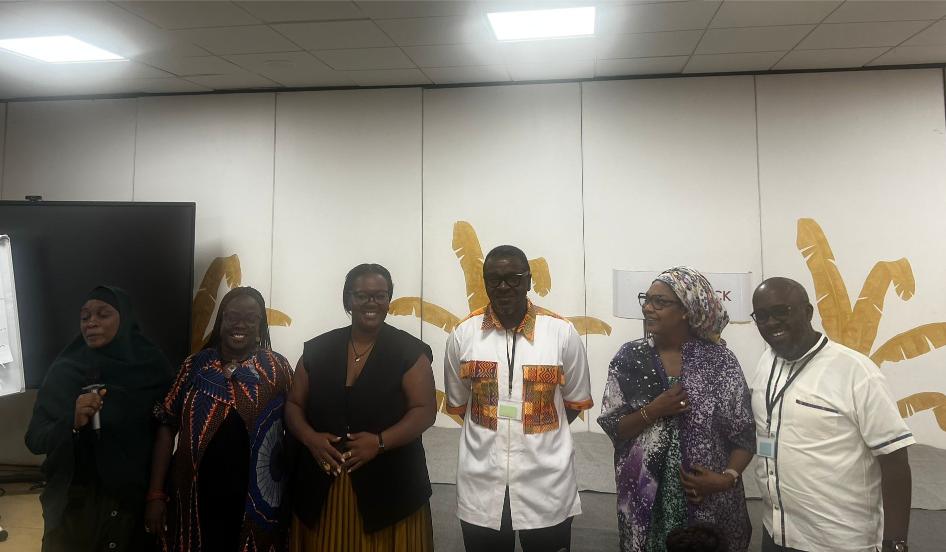
Partners also drew inspiration from ARED and LARTES’ organisational journeys as our retreat co-hosts. In thoughtful conversations with Mamadou Ly, Awa Ka Dia and Abdou Sarr, participants reflected on how ARED’s leadership and programmatic approaches have evolved over time adapting to complexity, navigating change, and building the capabilities needed for sustained impact. Sessions also examined how both ARED and LARTES (represented by Prof. Rokhaya Cisse and Binta Rassouloula Aw) use evidence to inform policy and practice in close partnership with government. Their experiences highlighted the organisational and programmatic foundations that underpin durable collaboration with local and national authorities.
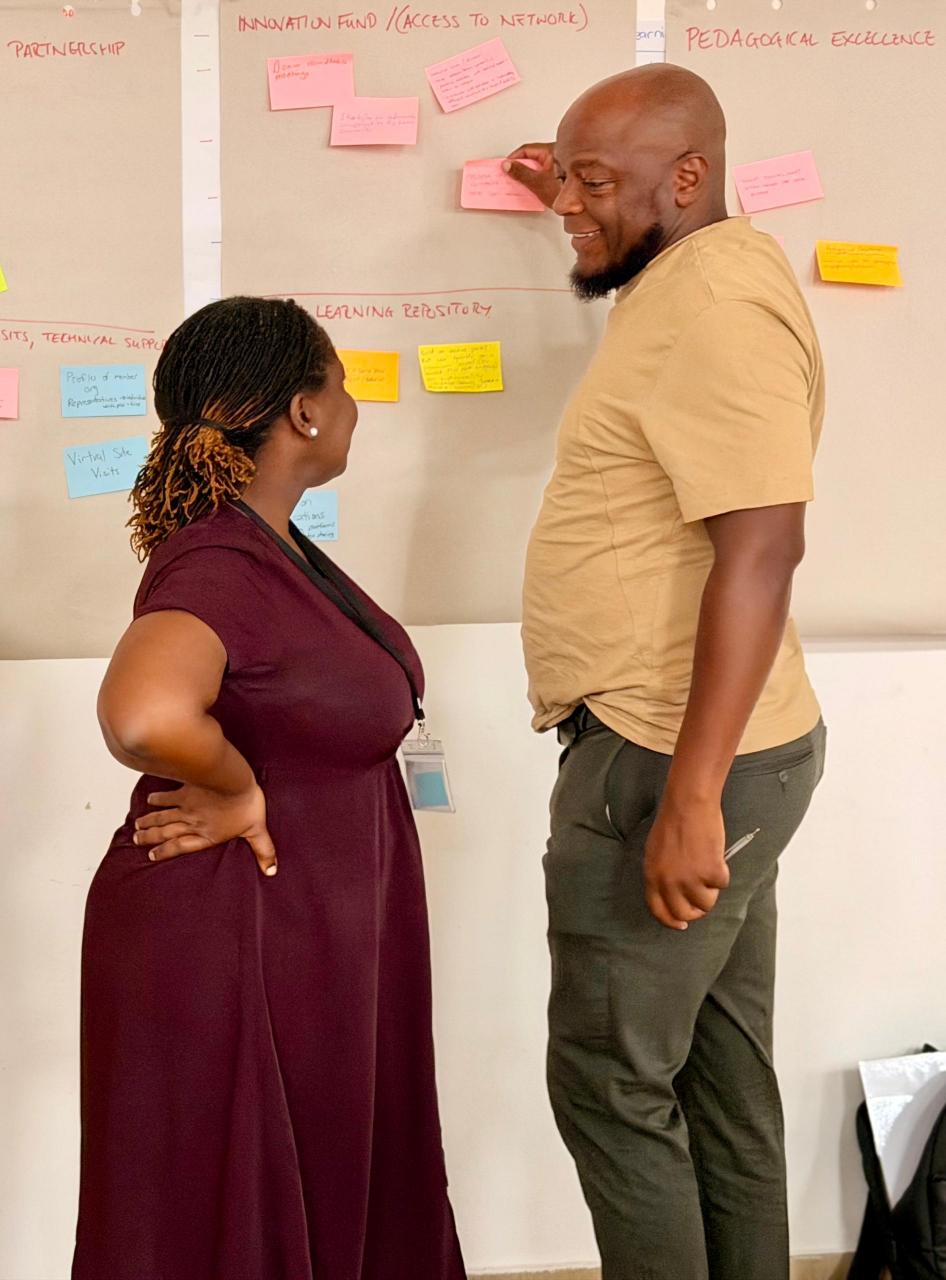
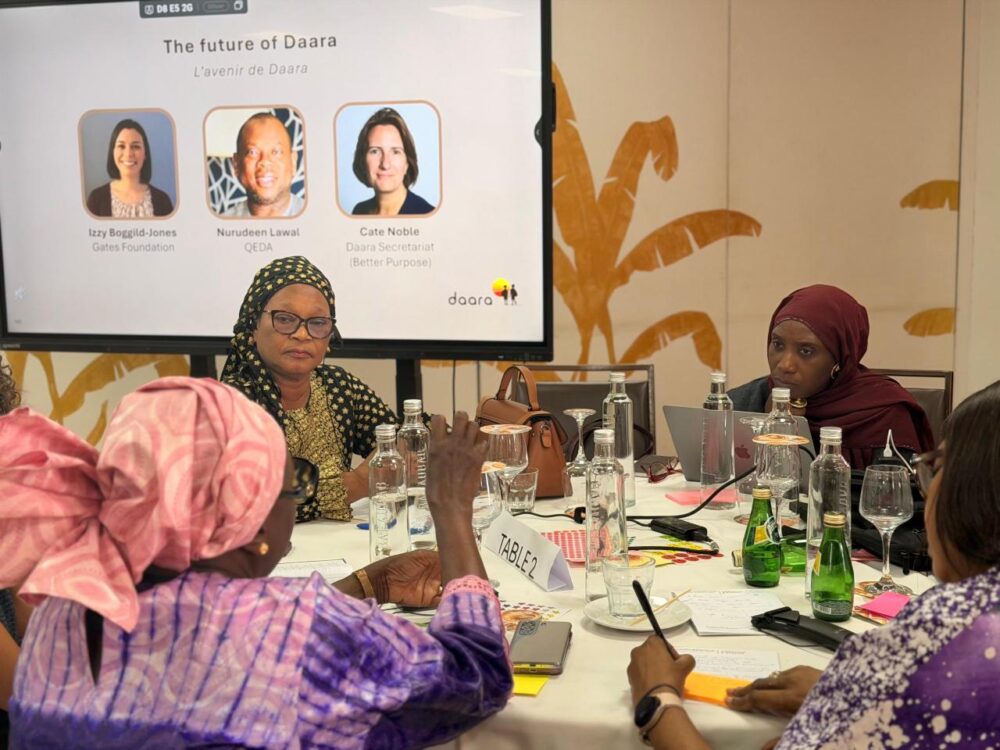
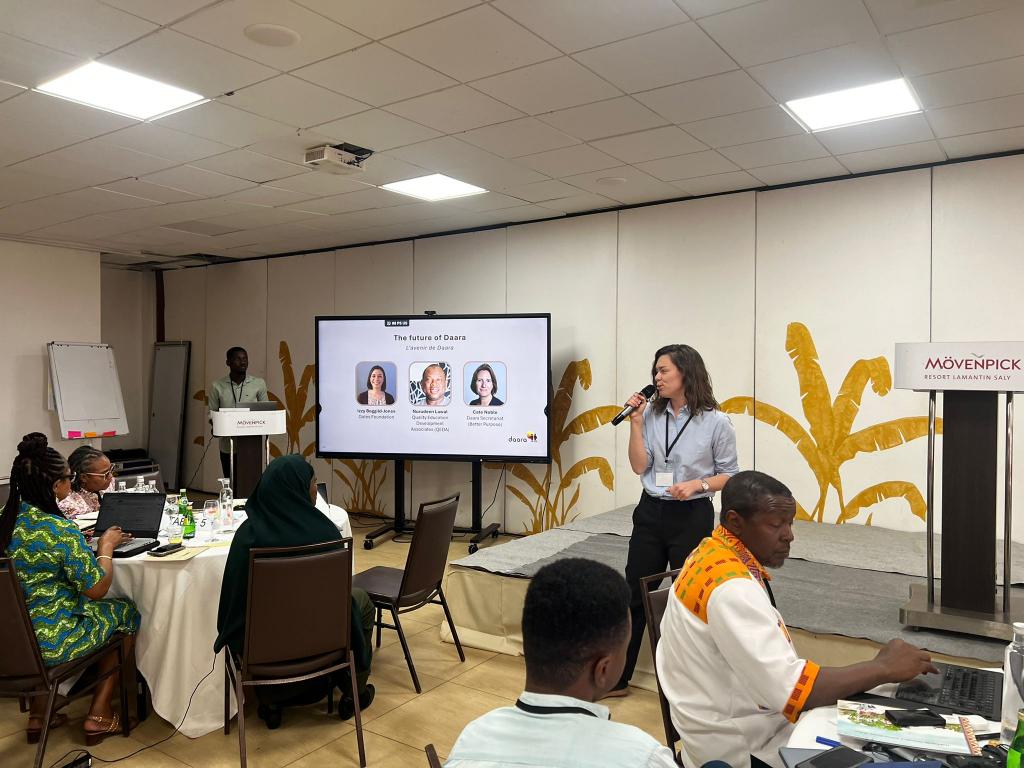
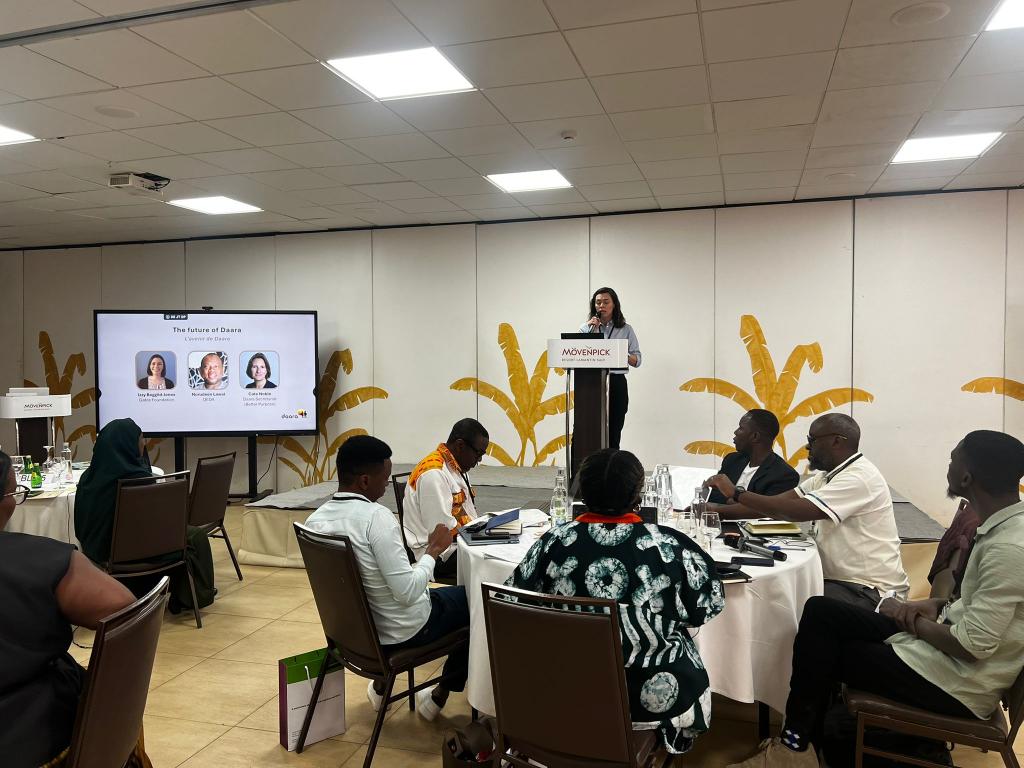
The retreat further provided space to set shared priorities for 2026, reflect on Daara’s future direction, and award Innovation Fund grants to initiatives with strong potential for system-level impact. Ultimately, the retreat reaffirmed Daara’s commitment not only to fostering innovation, but to supporting partners to translate innovation into sustained, large-scale improvements in foundational learning outcomes through effective government collaboration.
We extend our sincere thanks to ARED and LARTES for hosting us with such warmth and the true spirit of Teranga, to the Ministry of National Education of Senegal, and to the Gates Foundation, particularly Izzy Boggild-Jones and Clio Dintilhac, for their continued partnership and support. Together, these collaborations demonstrate what is possible when complementary actors align around a shared goal: improving foundational learning for all children. We look forward to the next retreat!