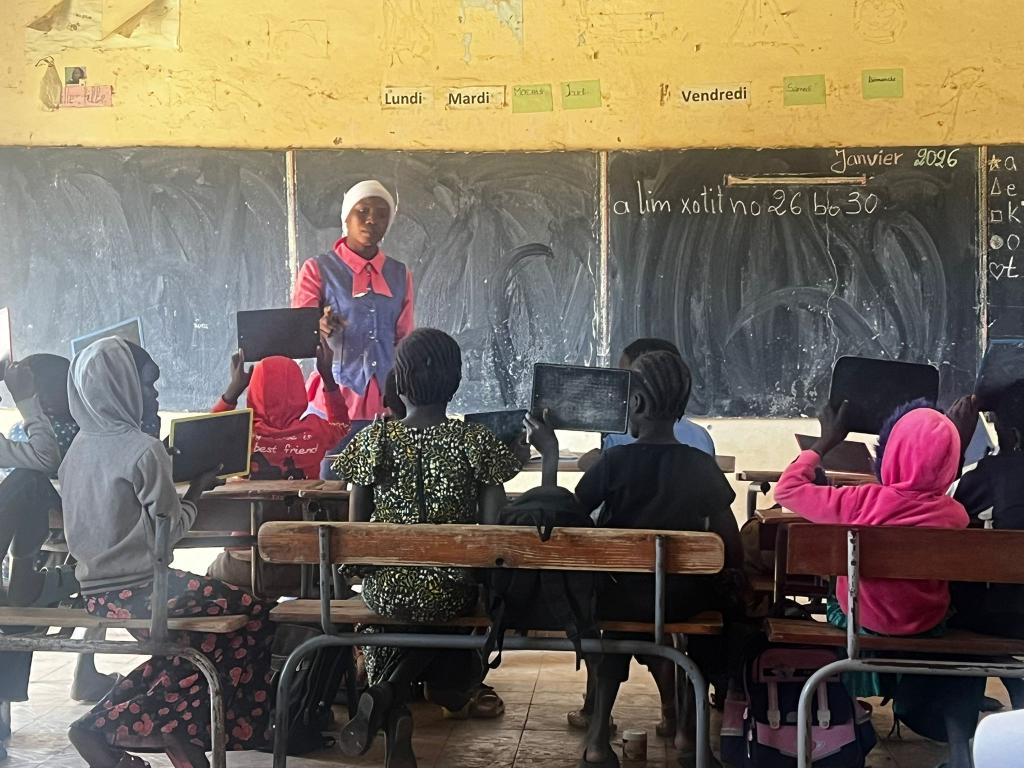
Listening to LARTES and ARED share lessons from more than 30 years of practice at the recent Daara retreat in Senegal, I was reminded that working with government is not a box to tick at the end of a project. It is a long-term commitment that ultimately determines whether education innovations translate into system-level impact. What stayed with me most was their conviction that impact happens when governments are engaged early, treated as genuine partners in learning, and supported with evidence that is practical and immediately usable. This blog is an expanded reflection on the insights ARED and LARTES shared at the retreat – and the lessons I am continuing to sit with. Engage government early and continuously One of my strongest takeaways was the importance of beginning with government, not ending with it. ARED and LARTES showed that engagement starts at problem definition – before research designs are finalized, before implementation begins. Ministries are not simply informed; they help shape the questions and influence the methods. That early alignment with national priorities builds legitimacy and reduces friction later. I was particularly struck by how engagement extends beyond senior leadership. Technical departments, regional actors, and academic institutions are involved as co-designers. This approach shifts the dynamic entirely. When governments help define the problem and co-create the evidence, they are far more likely to trust the findings and use them. Ownership grows naturally. Trust is built through complementary roles and credibility Another lesson that stayed with me is the clarity of roles within the ARED-LARTES-Ministry partnership. ARED brings deep field presence and long-standing credibility with teachers and education authorities – credibility reinforced by national and international recognition, including the 2025 Yidan Prize for Education Development awarded to Mamadou Amadou Ly. LARTES contributes methodological rigor, strong data systems, and analytical expertise. The Ministry provides policy direction, institutional authority, and pathways to scale. Beyond this, the government brings critical technical leadership, contextual knowledge, and strategic direction that shape how reforms are designed, sequenced, and embedded within national systems. Their expertise ensures that innovations are not only authorized, but technically sound, politically feasible, and aligned with long-term sector priorities. No one tries to replace the other. There are no parallel systems. Instead, there are joint governance structures, shared tools, and validated terms of reference. Watching this dynamic reinforced an important insight for me: trust is not built through rhetoric. It is built through clarity, respect for mandates, and delivering on your role consistently. Producing knowledge that is immediately useful I also reflected on what they described as producing “useful knowledge.” This idea resonated deeply. Research is not conducted for reports that sit on shelves. It is designed to influence classroom practice, teacher training, remediation strategies, and system monitoring in real time. Evidence is generated alongside ministry and regional actors, and findings are used to refine pedagogy and materials as implementation unfolds. What I learned here is that uptake accelerates when evidence improves daily practice. When teachers see data helping them teach better, and when ministries see it strengthening decision-making, research stops feeling like external accountability and becomes a shared tool for improvement. Scaling as institutional anchoring One of the most powerful shifts in my thinking was around scaling. ARED’s journey made it clear that scaling is not replication. It is institutional anchoring. Innovations gain traction when they align with existing reform agendas – such as bilingual education or structured remediation frameworks under national programs like MOHEBS. Governments are more receptive when interventions arrive fully formed: quality-assured materials, trained personnel, monitoring systems, and sustained technical accompaniment. Trust is built gradually through consistent delivery, adaptability, and responsiveness to system constraints such as staffing, financing, and administrative processes. What stood out to me is the humility embedded in this approach. Adoption happens when innovation fits within the system’s logic and capacity. Systems should not have to bend around innovation; innovation must adapt to the system. Government as a learning partner Perhaps the most meaningful lesson for me was the reframing of government as a learning partner. Through action research, longitudinal data, and structured feedback loops, ministries are not passive recipients of evaluation findings. They are co-interpreters. Evidence becomes a shared resource for strengthening the system over time. This approach builds internal capacity – not just to use data for one intervention, but to embed continuous improvement into the system itself. It reminded me that real partnership is about strengthening institutions long after a specific project ends. What I am taking forward As I left the retreat, I found myself reconsidering how I think about innovation and impact. The experiences of ARED and LARTES reinforced a simple but profound lesson: lasting change in foundational learning is achieved not by working around governments, but by working patiently, strategically, and respectfully with them. The system is ultimately what sustains change. And that requires time, trust, and a willingness to learn together. Dr. Lydia ChegeLead Ecosystem Building & Government Engagement Zizi Afrique Foundation, Kenya
Feb
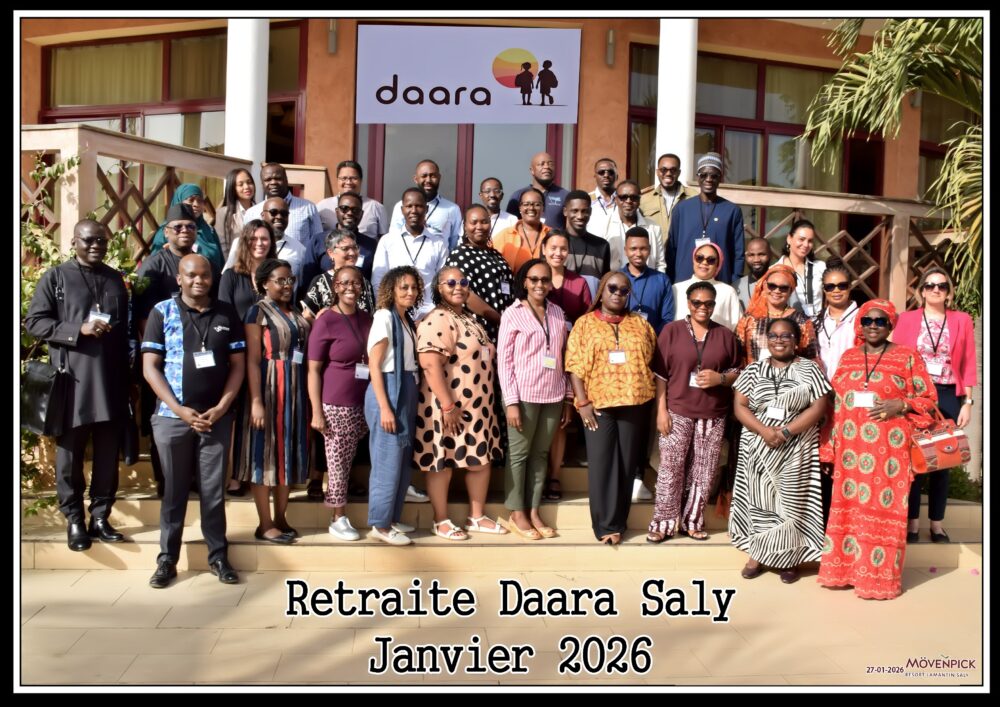
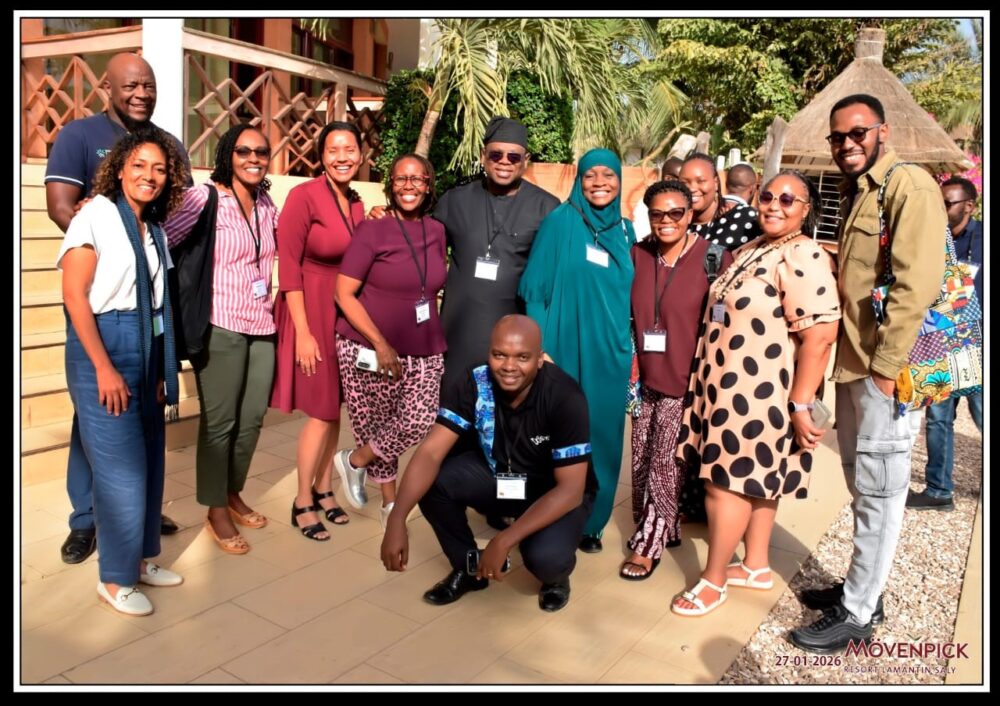
We recently concluded the Daara Year 2 Learning Retreat in Saly, Senegal, bringing together 33 partners from 16 organisations working to strengthen foundational literacy and numeracy across Sub-Saharan Africa. The retreat centred on a shared priority: how to support government-led education reform through cost-effective, scalable innovation. Through a panel discussion featuring Mr. Samba Gaye from the Senegalese Ministry of National Education, group working sessions, and classroom observations in schools across Fatick and Bambey, partners explored what it truly takes to collaborate effectively with governments to implement innovation at a national scale. Discussions underscored the importance of aligning with government-led reforms and co-designing solutions that can be endorsed, owned, and sustained by public institutions while remaining realistic in terms of cost, capacity, and long-term implementation. Participants shared candid reflections on both successes and challenges in NGO–government collaboration. Key enablers emerged consistently: clear governance structures, well-defined roles, strategic entry points, trust-based relationships, accountability, and strong leadership. One message stood out clearly: scaling innovative foundational learning programmes requires collaboration that is intentional, inclusive, and grounded in the realities of public education systems. No single actor can achieve this alone. Partners also drew inspiration from ARED and LARTES’ organisational journeys as our retreat co-hosts. In thoughtful conversations with Mamadou Ly, Awa Ka Dia and Abdou Sarr, participants reflected on how ARED’s leadership and programmatic approaches have evolved over time adapting to complexity, navigating change, and building the capabilities needed for sustained impact. Sessions also examined how both ARED and LARTES (represented by Prof. Rokhaya Cisse and Binta Rassouloula Aw) use evidence to inform policy and practice in close partnership with government. Their experiences highlighted the organisational and programmatic foundations that underpin durable collaboration with local and national authorities. The retreat further provided space to set shared priorities for 2026, reflect on Daara’s future direction, and award Innovation Fund grants to initiatives with strong potential for system-level impact. Ultimately, the retreat reaffirmed Daara’s commitment not only to fostering innovation, but to supporting partners to translate innovation into sustained, large-scale improvements in foundational learning outcomes through effective government collaboration. We extend our sincere thanks to ARED and LARTES for hosting us with such warmth and the true spirit of Teranga, to the Ministry of National Education of Senegal, and to the Gates Foundation, particularly Izzy Boggild-Jones and Clio Dintilhac, for their continued partnership and support. Together, these collaborations demonstrate what is possible when complementary actors align around a shared goal: improving foundational learning for all children. We look forward to the next retreat! Daara Learning Retreat in Saly Gallery
Feb
“I went to Saly telling myself I was going to relax. This was optimistic.” By the time I arrived at the Daara Year 2, second Learning Retreat, my head was already full. Not in a dramatic way, just in the steady, quiet way that comes from carrying work that didn’t begin that week, or even that month. Work that had been unfolding over time, across teams and countries, with many people involved and outcomes that mattered. Daara is a learning and innovation platform that brings together organisations working on foundational literacy and numeracy across Africa. It combines structured learning, peer exchange, and a competitive Innovation Fund that supports new and promising ideas. Being part of Daara means learning in public, testing ideas seriously, and sitting with both possibility and pressure at the same time. I joined eBASE Africa through work linked to the Daara Innovation Fund, at a time when eBASE was part of three different consortium projects. Within that setup, I led the evaluation for one consortium, while my colleagues, Che Myra and Ambang Tatiane, led the evaluations for the other two. Each of us was deeply embedded in a specific project, but we were constantly in conversation across projects, sharing insights, coordinating approaches, and supporting one another. For me, it often felt like working both from within a project and across the wider Daara ecosystem, sometimes quietly in the background, and sometimes right in the middle of things. Before Saly, There Was the Work From October 2025, when the Innovation Fund was launched, my colleagues and I were working closely with partner organisations to prepare proposals. These projects cut across different ideas and contexts, but they shared something important: they were ambitious, thoughtful, and grounded in real challenges around foundational learning. This meant weeks of conversations, brainstorming sessions, proposal drafts, feedback rounds, revisions, and re-revisions. We moved between consortiums, helping teams sharpen ideas, think through feasibility, clarify learning questions, and strengthen the logic of our proposals. We were trusted to lead much of this process. That trust came with freedom, but also weight. Some days were energising. Other days were long. And some days ended with the kind of tiredness that comes from caring deeply while racing against deadlines. By the time January arrived, I already knew the Innovation Fund would be an emotional undercurrent of the Saly retreat, even if it wasn’t always spoken about directly. Arriving in Saly: Learning in the Gaps The retreat itself lasted three days. What stayed with me went well beyond the agenda. One of the central threads of the retreat was working with government, not as an afterthought, but as a core strategy for scale, sustainability, and real impact. Again and again, conversations returned to what it means to engage governments as allies in education reform, partners in innovation, and custodians of long-term change. Being in Senegal made this especially tangible. We learned directly from Senegalese partner organisations like ARED and LARTES, whose work is deeply embedded in collaboration with government. Listening to their organisational journeys, their growth, and the compromises and patience required to work at system level was grounding and, honestly, inspiring. ARED’s team lead, Mamadou Ly, spoke about leadership, persistence, and scale with a calm confidence that comes from experience. It is impossible to miss Mamadou in a room, partly because of his presence, and partly because he is, quite literally, very tall. But beyond the height, it was his clarity and humility that stayed with me. Hearing about ARED’s journey, including recognition like the Yirdan Prize, made the idea of long-term, government-aligned work feel real, not abstract. Figure 1: Charlotte with fellow Partners Seeing the Work in Schools The school visits were another moment where theory met reality. Walking into classrooms where ARED’s innovations had been implemented in collaboration with government partners brought the conversations about scale and systems to life. These were not pilot projects sitting on the margins, they were programmes embedded within public education spaces, shaped with teachers, and owned locally. For me, this reinforced something important: working with government is slow, complex, and sometimes frustrating, but it is also where change becomes durable. Figure 2: Visit and observation of the ARED inspired Remediation approach in Numeracy at Ecole NGOR NDAME NDIAYE FATICK The Session That Made Me Pause One session, in particular, stayed with me: Looking Back to Leap Forward. The session invited organisations to reflect openly on the past year, on what had gone well, what had been difficult, and what they were learning as they looked ahead to 2026. What struck me was the tone. This wasn’t polished reflection. It was candid. People spoke about growth, but also about strain. About progress, but also about uncertainty. Listening to these reflections reminded me that even in spaces filled with strong organizations and experienced leaders, no one has it fully figured out. That honesty pushed me inward. I found myself reflecting on my own year, the pace of the work, the responsibility I had taken on earlier than I expected, and how much of my learning had come from simply staying present and open. Pitch Day, From the Side Then came the pitching session. Five consortiums were presenting Innovation Fund ideas. Only three would be selected. eBASE Africa was involved in four of them. I wasn’t presenting, but I was deeply invested. We had worked closely with consortium members in the months leading up to this moment, supporting the thinking behind their ideas and helping shape how those ideas were communicated. Myra and Tatiane couldn’t be physically present at the retreat, so I was updating them in real time, which meant the nerves were shared across distance. I sat through the pitches outwardly calm, inwardly alert. I kept thinking about the months behind each presentation, the work, the care, the belief that had gone into each idea. When the results were announced later that day, relief came quickly. Gratitude followed. And then a quieter feeling for the ideas that didn’t move forward. Some […]
Oct
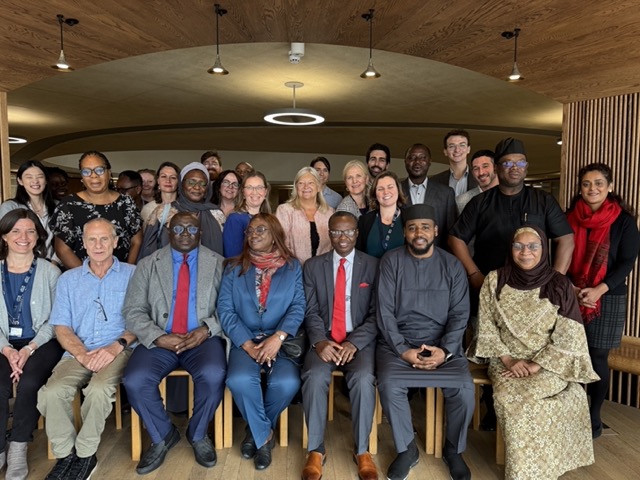
The Quality Education Development Associates (QEDA) Team Lead/Founder Nurudeen Lawal, joined other 700 education sector delegates from across the globe at UKFIET2025 conference. This biennial conference was held in Oxford University from the 16th -18th of September 2025 with the theme; Mobilising knowledge, partnerships, and innovations for sustainable development through education and training. The conference had African governments and funders participation (Including Gates Foundation). It was an opportunity for QEDA to deepen ties with other DAARA members; TaRL Africa and Zizi Afrique, who were also represented by their leadership. The presentation started with two complimentary presentations on the state of education in an era of uncertainty from populism. Presentation of interest includes, the Gates Foundation co-organized symposium on African government’s progress on foundational learning, and the sessions on teachers’ agency a middle-tier effectiveness. The session on The Demise of International Education Development: three scenarios for reincarnation, tested some potential scenarios for the future of international education development with an audience of constructive and critical stakeholders, which generated insights, discussions and debates. QEDA and TaRL Africa were also part of a side event to the UKFIET on quality education access for out of school children in Nigeria. This took place on the 15th of September 2025 at the Blavatnik School Government and was organised by; FCDO Partnership for Learning for All in Nigeria’s Education (PLANE) and What Works Hub in Global Education (WWHGE), while Blavatnik School of Government was the host. Presenters were policy leads from Nigeria’s Federal Ministry of Education (FME), Universal Basic Education Commission (UBEC), and National Commission for Almajiri and OOSC Education (NCAOOSCE). Discussants to the presentations include; Hafsatu Hamza (TaRL), Nurudeen Lawal (QEDA), and Heather Kayton, (BSG) and Masooda Bano (Oxford Department of International Development).
Oct
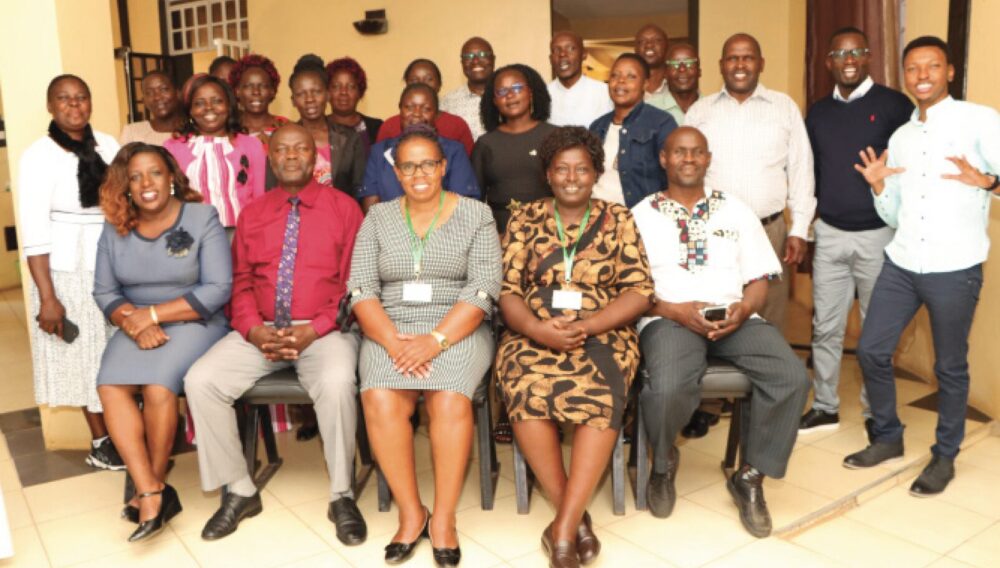
Zizi Afrique’s work on strengthening foundational learning, while working closely with Government and ecosystem partners continues to grow. A recent breakthrough is the finalization of a numeracy improvement roadmap for Kenya for the next 10 years! Bringing together 54 ecosystem partners, for 11 days and over 100 hours of brainstorm, co-creation and prioritisation, the Ministry of Education-led workshops culminated in a four pillar strategy to improve numeracy outcomes in Kenya: quality teaching and learning materials; continuous teacher capacity development; assessment and data use and an accountability-oriented policy environment. This roadmap will guide Zizi Afrique’s and MoEs efforts towards improving numeracy outcomes for all children in Kenya. This work was seeded through Daara (insert hyperlink of the video I shared for cohort 2). During the innovation phase, Zizi Afrique conducted research with the Center for Mathematics, Science and Technology Education in Africa (CEMASTEA) on misconceptions in foundational numeracy, revealing a huge gap in conceptual mastery and procedural fluency in numeracy in the early grades. Report Download
Oct
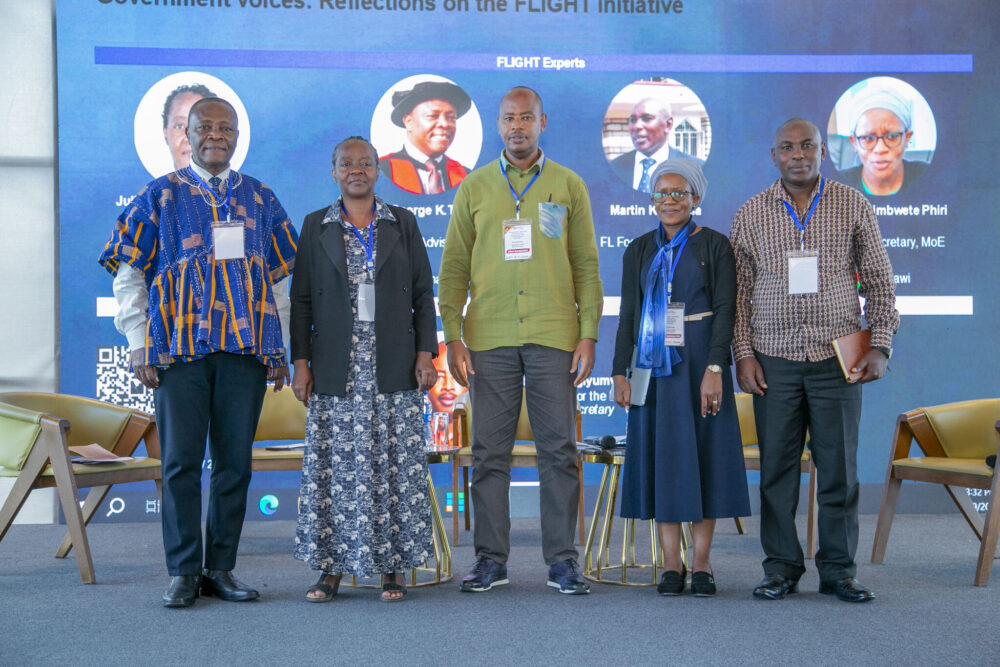
Learning Masterminds recently organized the FLIGHT convening in Nairobi, alongside Haskè Conseil, ADEA, and Human Capital Africa. The Foundational Learning Initiative for Government-led Transformation (FLIGHT) is an effort to place countries at the center of foundational learning reform and ensure alignment with national needs, systems, and structures. Learning Masterminds, in partnership with ADEA and Human Capital Africa, convened key policymakers and representatives from Ghana, Nigeria, Kenya, Namibia, Uganda, Senegal, Malawi, Angola, South Africa, and Madagascar. Congratulations to Learning Masterminds for the great work! Read Full Linked In Article
Sep
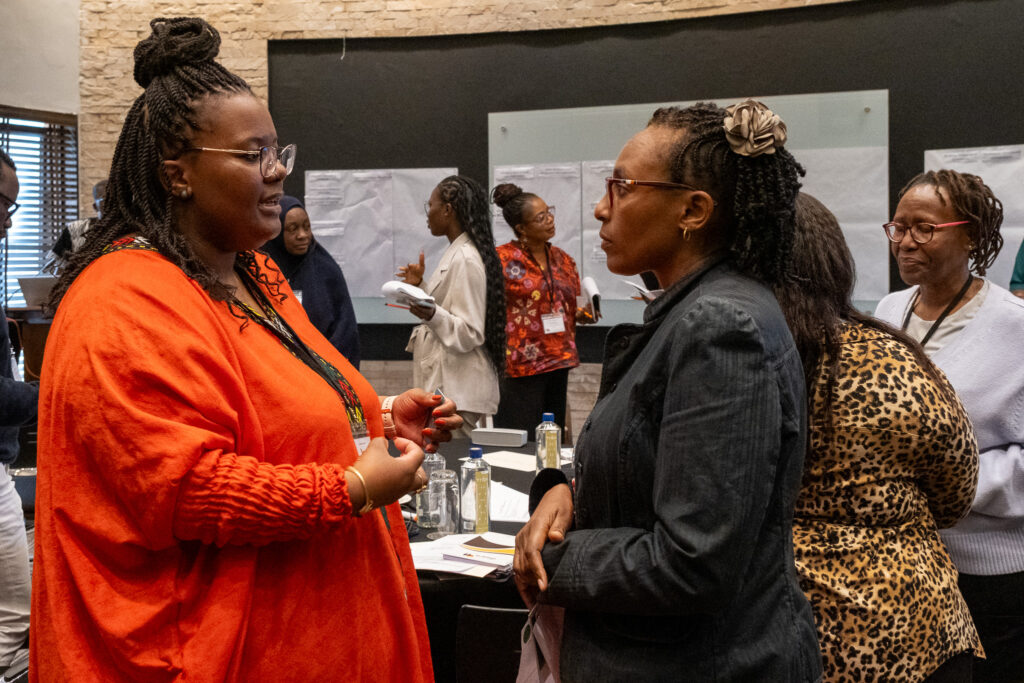
From 12 to 14 August 2025, fifteen outstanding organizations from across Africa came together in Nairobi for an in-person learning retreat of the Daara Development Academy. What united them was a bold vision: ensuring better education outcomes for all children, in every context. This gathering also marked a powerful step in building a stronger, more connected community of leaders dedicated to transforming education across Africa. Over three days, participants strengthened bonds and deepened their sense of community, exchanged knowledge by sharing expertise, questioning assumptions, and learning from one another and built practical skills to measure impact and collaborate more effectively with governments. The retreat was further enriched by the voices of inspiring keynote speakers: Madame Ruth Kagia (Senior Education Advisor, Kenya), who emphasized the power of bold, system-level influence Professor Hellen Inyega (University of Nairobi), who shared insights on leading in times of change by fostering government partnerships for sustainability and scale Christine Harris-Van Keuren (Founder, Salt Analytics), who equipped organizations with practical tools to partner with governments for impact at scale In addition, participants worked with Better Purpose to strengthen their organizational impact systems. Feedback was overwhelmingly positive — they valued the hands-on skill-building in monitoring & evaluation and cost analysis, as well as the authentic relationships forged across the network. One participant summed it up perfectly: “The retreat shifted my mindset from seeing tools like M&E and cost analysis as internal reporting requirements to viewing them as strategic levers for engaging government partners and embedding our work into national education systems.” This initiative was made possible thanks to the generous support of the Global Education Team at the Gates Foundation. The retreat closed with participants leaving Nairobi inspired, better connected, and better equipped to make a difference — together.

May
WALEZI WA WATOTO WALEMAVU WAPONGEZWA Walezi wa watoto walemavu wapongezwa. Shirika la Action laanda kongamano hilo. Shirika hilo limewataka walezi hawa kupokea masomo ya ziada ili kuwawezesha kutoa huduma haya bila kutatizika.#TV47Matukio@Kilemi_Andrine pic.twitter.com/5J3klKbDxk — TV47 (@tv47news) July 4, 2024

May
Daniel Dotse, the CEO of Lead for Ghana recently visited our office. In our new podcast series ‘Zizi Sebuleni’, he sat down with our Director of Advocacy and Partnerships to speak about what Lead for Ghana is doing to improve governance and leadership in Africa. Follow the conversation here.
News from Partners
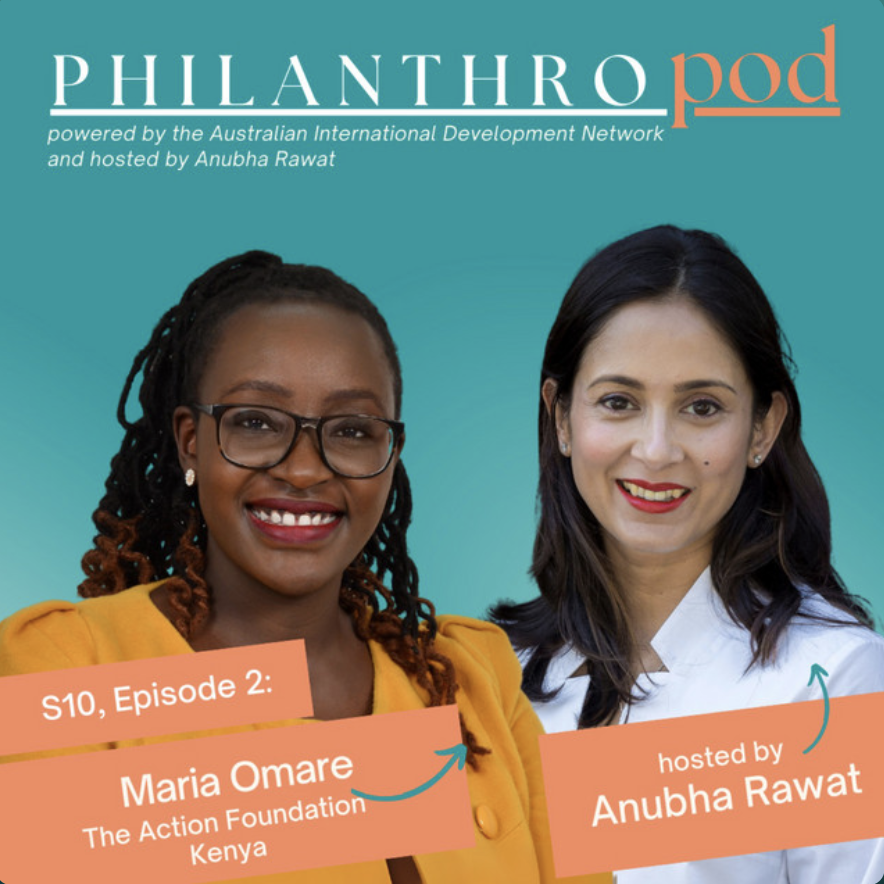
Africans creating African solutions”: Disability inclusion with The Action Foundation
May
Deeply committed to the philosophy that all children, women and girls with disabilities should have equal opportunities to succeed, our latest episode of Philanthropod features Maria Omare. Maria is a distinguished disability inclusion advocate from Kenya and Executive Director of The Action Foundation. Since her university days, Maria has devoted her career to building inclusive and resilient communities where those with disabilities can access adequate health and education services. Nearly thirteen years ago, Maria set up her first centre in the Kibera slums, serving just a handful of local community members. Today, The Action Foundation focuses on wider systems change, challenging stigmas against disabilities and working with the Kenyan government to ensure that all children with disabilities have access to education and health care at school. Maria has also played a crucial role in various initiatives focused on inclusive education, early childhood care and education, and the sexual and reproductive health rights of women and girls with disabilities. For her exceptional work, Maria has earned numerous prestigious awards, including the Ford Motor Company International Fellowship, Cordes Fellowship, and Michelle Obama’s “Red Magazine UK’s 25 Visionaries to Watch”. To learn more, tune into this episode to hear Philanthropod host, Anubha Rawat, in conversation with Maria. Anubha and Maria take the listeners through the highs and lows of The Action Foundation’s journey, reflect on the importance of finding your “people” in the development sector, and discuss how to ensure service delivery is maximised for all who need it. To end, they also discuss The Action Foundation’s pan-African strategy moving forward. Afterall, as Maria notes, impact will be maximised when it is “Africans creating African solutions”. Listen to Podcast https://open.spotify.com/episode/2KIkcb6qU3KOH3FaeKPgnt Hosted on Acast. See acast.com/privacy for more information.
- 1
- 2
 English
  French